


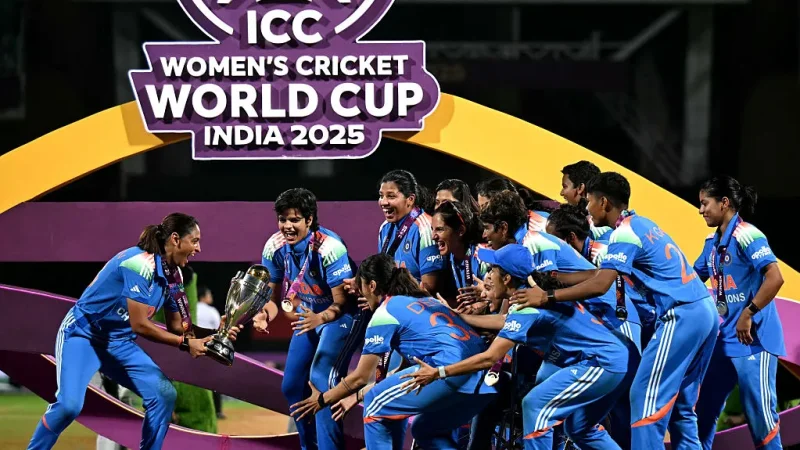
India’s route through the ICC Women’s T20 World Cup 2026 has been thrown into a fairness row after tournament regulations said it would be placed in the first semi-final if it qualifies. The rule does not depend on where India finishes in Group A, a clause that has put the schedule itself under the spotlight.
That is why the dispute has flared now. India played Australia on Sunday in a must-win Group A clash and had still not secured a semi-final place, with its fate resting on the final group match at Lord’s on June 28. India entered that game second in Group A on six points, level with South Africa but ahead on net run rate, after opening with wins over Pakistan and the Netherlands, then losing to South Africa before a win over Bangladesh kept the campaign alive.
Kate Cross led the criticism and called the arrangement “absolutely ridiculous” and “unfair.” She said she did not understand how a governing body could go into a tournament and prioritise one team like that, adding that she knew exactly why it was being done because India generates the most viewership and revenue, but still thought it was unfair. Alex Hartley joined that view, turning a technical tournament clause into a public argument about whether the draw had been bent for the biggest market in the game.

The wording at issue matters. The regulations said the team finishing first in Group A would meet the Group B runner-up in the first semi-final, but they also said India would be slotted into that opening semi-final if it qualified. That meant the issue was never about how India had played, only about how the knockout bracket was being arranged around it. By the time the argument reached full volume, England and West Indies had already punched their semi-final ticket from Group B, leaving India’s path to be decided on the field but its semi-final placement already fixed by the rule.
Defenders of the arrangement could point to commercial logic, and in modern sport the biggest draw often shapes scheduling and broadcast planning. India’s matches were carried across the Star Sports Network in India, with live streaming on the JioHotstar app and website, underlining why the team carries such weight in the tournament’s audience. But the central question remains narrow and hard to escape: whether a world event can justify a clause that gives one side a protected knockout route before qualification has even been secured.
For India, the next step was clear and unforgiving. Beat Australia at Lord’s and the semi-final path opens; fail, and the entire debate over the first semi-final becomes beside the point. For everyone else, the clause has already done its damage: it has made the bracket look less like a reward for results and more like an exception written for one team.
