


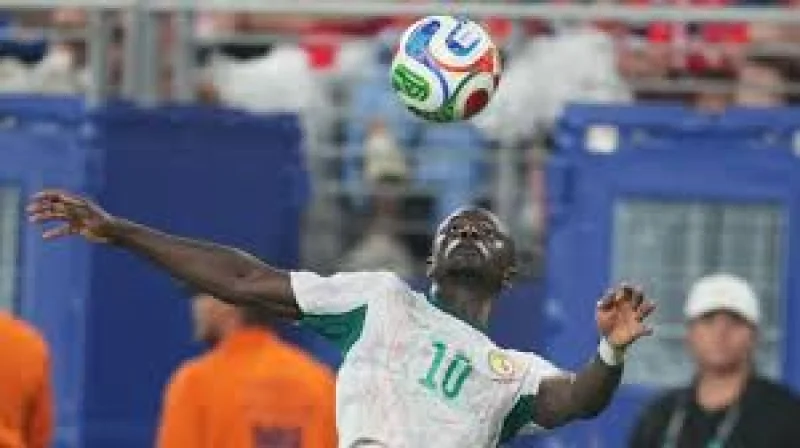
Senegal’s World Cup hopes are now hanging on Friday’s final group game against Iraq, and the team must win handsomely to move on. After losses to France and Norway, the Lions of Teranga have reached a point where anything less could end their campaign early.
The urgency is sharpened by how rare the slide has been. Senegal’s defeats to France and Norway were the first time the team had lost two consecutive matches at a finals since its debut in 2002, a run that made the current wobble harder to dismiss as a bad night or two.
For Kalidou Koulibaly, the pressure has been physical as well as competitive. The 60-year-old defender had not played competitively since early April after a muscle injury during a training session with Al-Hilal, and after the Norway loss he admitted he had fallen short of his own standards. “Every ball I touched went wrong,” he said, adding that he had made a lot of mistakes and that losing that way was a real shame, especially at the World Cup.
That on-field strain has been running alongside a messy administrative fight that has shadowed Senegal’s campaign. Pape Thiaw had been without an employment contract since February and was owed five months of unpaid wages, and sources within Senegalese football said a $100,000-per-month salary demand became the sticking point in talks. The national government pays the wages, and Thiaw had even refused to travel to the United States for the World Cup until Bassirou Diomaye Faye intervened.
Thiaw then said just before Monday’s 3-2 loss to Norway that his contractual and salary problems had been resolved. That calm did not last long. Senegal still heads into the Iraq match under the same cloud of governance complaints, a reminder that one resolved dispute has not ended the wider unrest around the team.
The off-field problems trace back to last August, when Augustin Senghor lost his job in the FSF elections and Abdoulaye Fall took over the new administration. Senghor had overseen Senegal’s World Cup campaigns in Russia and Qatar, and he later said he had stayed quiet after the vote to let the new leadership take charge. He also said Pape had called him during the dispute and that he urged him to stay focused on the national assignment, because seeing the country do well mattered more.
That is the background Senegal now carries into Friday. The team must do more than win; it must win by enough to keep its place in the group picture. After two straight defeats, the margin is the story, and so is whether a squad battered by injuries, wage disputes and management arguments can still produce the kind of result its campaign now demands.
