


Colombia and the DR Congo met in Guadalajara on Tuesday night with both sides carrying real momentum into Group K, but it was the draw against Portugal that gave the match its edge. The DR Congo arrived off a 1–1 result in its opening World Cup game, while Colombia had started with a 3–1 win over Uzbekistan.
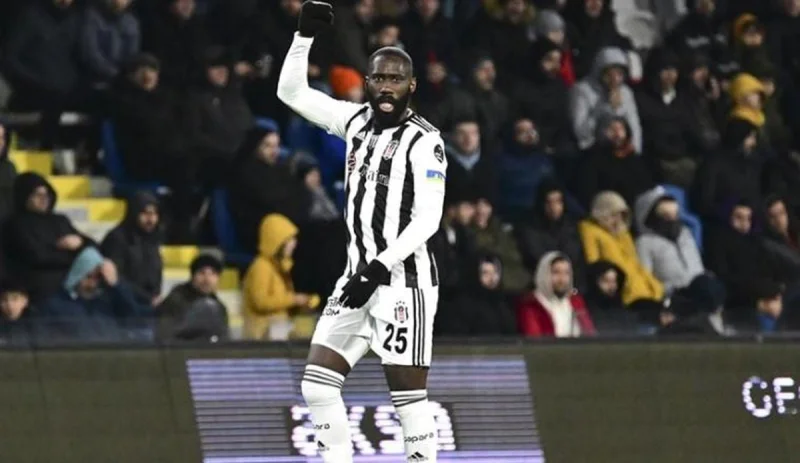
That is why Arthur Masuaku was being searched now: the DR Congo’s opening point changed the way this meeting was read before kickoff. Yoane Wissa’s goal on the cusp of half-time had secured that draw with Portugal, and it was enough to turn a team many expected to lose into one that could be taken seriously in Guadalajara.
The weight of that result is obvious. Portugal had gone ahead through João Neves, but the DR Congo stayed in the game, made the most of the moments it generated going forward and earned its first point in World Cup history. That mattered because it was not just a rescue act. It was a performance built on discipline, and one that left Néstor Lorenzo impressed enough to view the Leopards as potential spoilers rather than easy opponents.
There is also the longer line behind it. When the DR Congo competed as Zaire in 1974, it failed to score at the World Cup. To move from that history to a point against Portugal is a meaningful shift, even if Colombia had its own reasons to be confident after beating Uzbekistan 3–1. Lorenzo’s side could become potential outsiders this summer, but that label only holds if it keeps producing in matches like this one.
The friction is in the styles. The DR Congo has the capacity to frustrate and potentially hold Los Cafeteros because it can sit deep, compress space and force opponents to work through a crowded final third. That is the part Colombia now has to solve: not whether it can keep the ball, but whether it can turn possession into enough clean chances before frustration takes over.
That makes the next step clear. A victory would guarantee Colombia a place in the knockout stages and ease the pressure before its Matchday 3 duel with Portugal, which is likely to decide Group K. The DR Congo has already altered the conversation once; if it can do it again, the group could stay alive longer than many expected.
