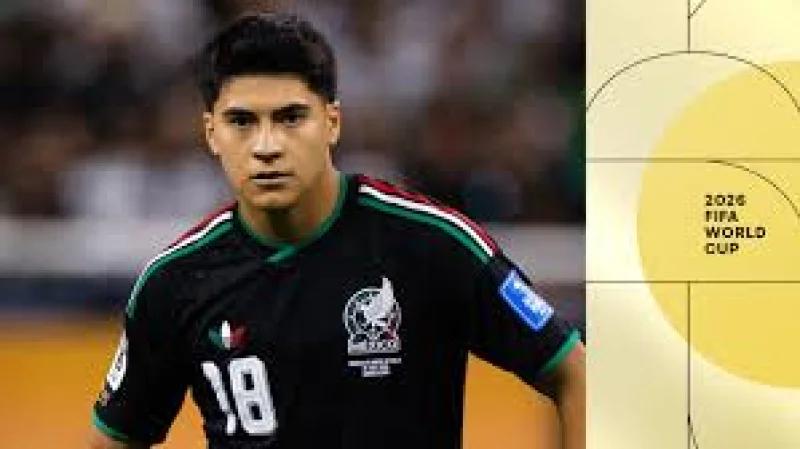
Fifa is using head-to-head records, not group goal difference, as the first tiebreaker for teams level on points at the 2026 World Cup, and the change is already shaping who stays alive and who is out. It is the first time the World Cup has used that system at the top of the order.
That is why World Cup Group G is drawing attention now: the new rule can settle a table before the final matchday, and it has already done so in other groups. Under the old format, a team had to be four points clear of second after two games to lock up first place. Now three points can be enough, and Mexico and the United States are already guaranteed to top their groups with a game to spare.

The shift matters because it changes how a group is read. Tunisia, Haiti and Turkey have all gone out despite being only three points behind the team in third, a reminder that the standings no longer turn first on overall goal difference. The new system was first introduced at last year's Club World Cup, where Flamengo won Group D ahead of eventual tournament winners Chelsea after two matches, and it has already been seen again in Group A and Group D at the 2026 World Cup.
Fifa says the logic is simple: direct results between teams should be the fairest measure because they strip out freak results. Others argue that overall goal difference tells the fuller story of a group, rewarding the side that has performed best across every match rather than only in the matches between tied teams. The difference is not academic. It can decide whether a team keeps control of its fate or learns that the table has already closed against it.
The unresolved question is how far the head-to-head rule will reach once more teams finish level and the arithmetic gets messier. If the pattern from Group A and Group D holds, the 2026 World Cup may produce tables that settle earlier than many teams expected, and that makes every remaining game less about padding the score and more about winning the right matchup at the right moment.