


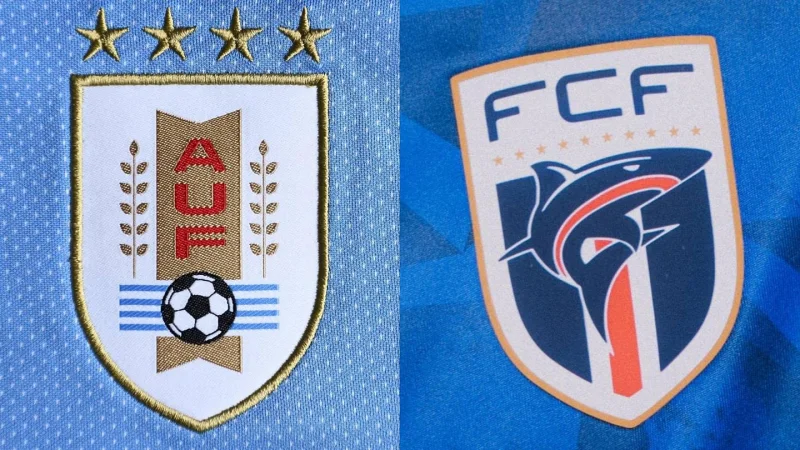
Cabo Verde are back on the field on Sunday, and this time the task is Uruguay in Florida. Bubista’s side arrive after a 0-0 draw with Spain that changed the shape of Group H and gave the debutants real reason to believe they can reach the last 32.
That first result was not just a point. It left Cabo Verde needing only three more to make progression feel likely, while four points would almost certainly take them through. For a team led by Bubista, who has spoken of playing with “no fear,” the question now is whether that same edge can survive a second straight test against a heavy favorite.
Uruguay, a two-time World Cup winner, did not open with the authority its name might suggest. It drew Saudi Arabia after an improved second-half display, and Marcelo Bielsa has faced criticism from former national team heroes in the press. Even so, Uruguay remains the projected winner here, and a victory would all but secure a place in the last 32.

That is why Cabo Verde’s opener matters so much beyond the scoreline. The draw with Spain was historic, but it also asked a lot of the players physically and mentally. A match like that can lift a group for days; it can also leave a side a half-step short when the next opponent is waiting only a few days later. Uruguay should be able to test that edge from the first whistle.
Bielsa is expected to keep faith with his preferred 4-4-2 formation, a reminder that Uruguay still has options even after an uneven start. Cabo Verde, meanwhile, has already shown it can turn a famous result into a platform. If it cannot repeat that intensity on Sunday, the debate about qualification will shift quickly back toward Uruguay and the simple math of getting to four points.
For Bubista, the logic is plain. One draw has kept Cabo Verde alive; another could push the debutants much closer to the knockout stage. But against Uruguay, the burden is no longer surprise. It is recovery, discipline and the ability to make the Spain result count twice.
