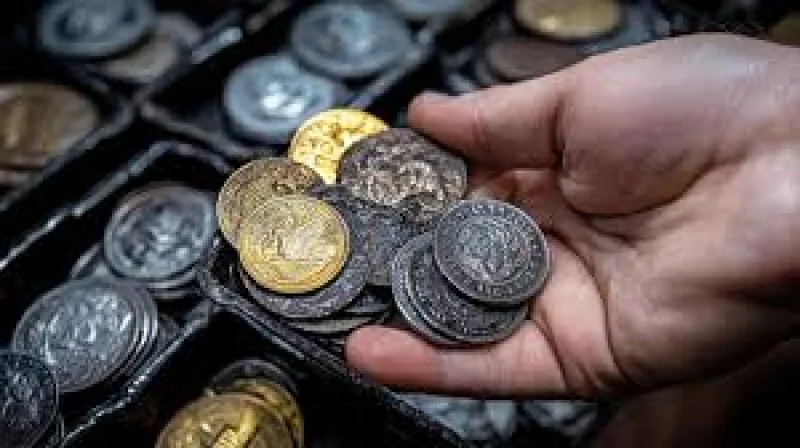
Eight rare coin types are drawing fresh attention because their estimated values run from the hundreds of thousands of dollars to more than $2 million. In a market where a single authenticated piece can change a balance sheet, that is enough to make owners look twice in inherited boxes, old safes and forgotten drawers.
The timing is sharp. Clever Real Estate said retired Americans estimate someone would need $823,800 in savings and investments to retire comfortably in 2026, a figure that helps explain why collectible money is getting attention as more than a hobby. For anyone searching coin values today, the appeal is plain: one verified piece could sit where a retirement cushion was supposed to be.
The most famous example in the list is the 1943 copper penny. Most pennies made that year were steel because copper was being diverted during wartime shortages, but a very small number were struck on leftover copper blanks. One Denver-minted example is known to exist, and coins from that run can be worth hundreds of thousands of dollars to more than $2 million depending on condition. That kind of range shows how much the state of preservation matters. A worn coin and a mint-fresh coin may share the same date, but not the same market.

The same pattern runs through the rest of the list. The quarter eagle, first produced in 1796, appears in two versions, one with stars on the front and one without. The starred version is valued at up to almost $1.7 million in mint condition, while the version without stars can reach more than $2.4 million. Only seven examples of the head-facing-right version are known to exist, and some have not been seen since the 1940s. A separate coin with the same head orientation could still fetch more than $2 million if found in mint condition, while another coin in the group has about 15 known examples and can also top $2 million when it survives uncirculated.
Other rarities on the list are just as striking. Carson City mint gold coins are described as incredibly rare and highly collectible, and uncirculated examples of the $20 Carson City mint gold coin have been valued at nearly $2 million. One coin with an earlier Liberty head design and large lettering on the reverse has proof examples valued at more than $1.9 million. Another extremely rare gold coin can be worth more than $1.8 million in well-preserved condition. In the 1790s, some silver dollars were altered with a small silver plug in the center before striking to ensure proper weight, and mint condition examples of those pieces could bring around $1.8 million.
That windfall talk comes with a catch. These coins are heavily counterfeited, which means the headline value is only real after authentication, grading and a close look at condition. A coin that looks priceless in a drawer can turn out to be ordinary, and even genuine rarities do not replace disciplined saving or investing. The point is not that collectibles are a safe plan for retirement. It is that one overlooked coin, properly verified, can be worth far more than its face value and far more than most people would ever expect.
The next step for anyone who thinks they have one is a professional appraisal, not a guess. Until that happens, the gap between a family keepsake and a life-changing asset remains exactly that: a gap. USA Coin Book is the price guide behind the values, but the market still decides what a confirmed coin will actually bring.