


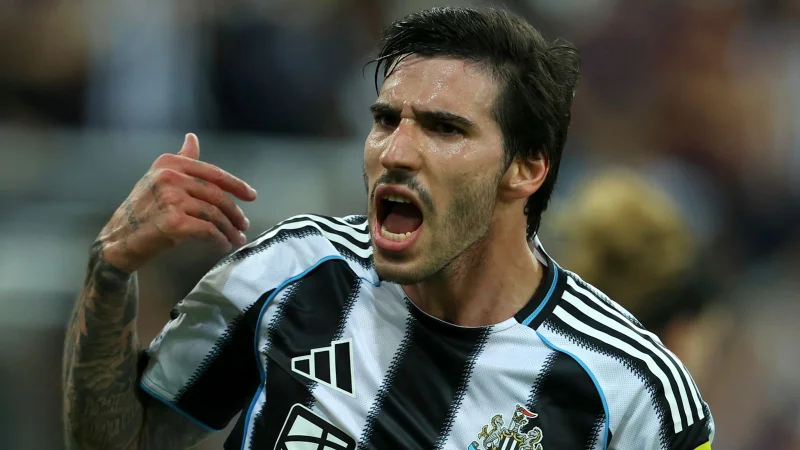
Manchester City remain quietly in talks with Nottingham Forest over Elliot Anderson, with the midfielder keen on a move to the Etihad. The discussions are still alive because both clubs know his price has climbed into territory that could set a new benchmark for a British player.
That is why Anderson keeps coming up now. He is no anonymous squad option being shopped around; he is a midfielder whose rise from the Newcastle United Academy in 2019 has turned him into one of the most closely watched names in the market, and one whose next step is being pushed by interest from a club that can offer the Champions League and, next season, a bigger stage.
People familiar with Anderson describe him as the perfect mix of talent and hard work, a player with a very high football IQ and the sort of appetite for the game that has shaped his path. He was loaned to Bristol Rovers in 2022 after moves to Sheffield Wednesday and Luton fell through, and the story around him there was the same from the start: Joey Barton said he was only taking Anderson because Shola Ameobi told him he was good.
That judgment has aged well. Anderson later became a valuable asset for Nottingham Forest, who agreed to buy him for £15m, but they did so without a sell-on clause. Eddie Howe had urged Newcastle United to look for alternative solutions before he left, and now that missing clause matters because any sale on from Forest is expected to bring in tens of millions of pounds for Newcastle — money they will only see indirectly, if at all, because the club had no place in the deal once he departed.
The frictions in the move are plain. Nottingham Forest want to protect their value, Manchester City are still testing the ground, and Anderson wants the switch to the Etihad. The gap between the clubs is the part that has to be closed, and if it is, the fee is likely to be framed not just as another Premier League transfer but as a record price for a British player.
There is one more layer to the story. Anderson once accepted an invitation from John Carver to join Steve Clarke's Scotland set-up, then withdrew within a day, saying he wanted more time to make the call. That hesitation now looks less like a detour than a clue: he has been careful about his choices before, but his priority is clear enough now, and it points to a move that would put him in position to make his mark in a World Cup in the US.
