


Portugal enters its World Cup opener on 17 June 2026 with a warning from inside the game: against the República Democrática do Congo, the match could turn far more physical than the two warm-up wins that have lifted confidence. Gonçalo Barbosa said Portugal must resist that trap, keep possession and stay patient if it wants to start Group K on the right foot.
Barbosa was speaking as the tournament moved into its early rounds, with Portugal already scheduled to play its first match against the República Democrática do Congo and the other Group K fixture set for 18 June, when Uzbekistan meets Colombia. His comments arrive at a moment when the opener matters immediately, because Portugal has no time to settle in; one difficult night can shape the whole group stage.
The cue from Barbosa is simple, but it goes against the way a tense opener can pull a team. He said Portugal will face a duel-heavy, intense game and that the answer is to keep the ball more, circulate it calmly and wait for the spaces to open. In his view, Portugal has enough quality to decide the match if it stays faithful to its identity rather than stepping into the opponent’s preferred rhythm.
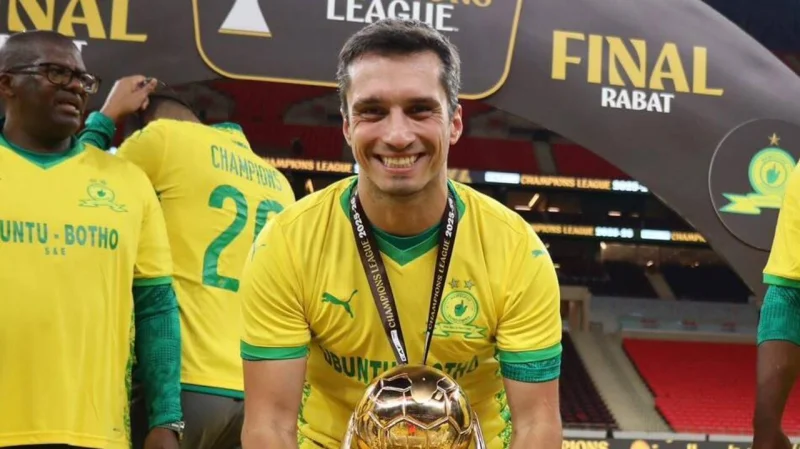
That view carries weight because Barbosa is not speaking from the outside. He works on Miguel Cardoso’s technical staff at Mamelodi Sundowns, and the club won the CAF Champions League. He also said he was talking from a year of coaching experience in Africa, which gives his warning a practical edge rather than a purely theoretical one. He knows what a game built on contact and intensity can do when a more technical side lets itself be dragged into it.
Portugal has reason to feel good after two preparation wins by 2-1 against Nigeria and Chile, results that suggest sharpness in front of goal and enough control to get through tight moments. That is also why Barbosa’s caution lands now. Two narrow wins can create confidence, but they can also hide the danger of a match that becomes messy before the better team has time to impose itself.
The problem is not whether Portugal can play. It is whether it can keep playing its own game if the first challenge is to win second balls, survive contact and slow the rhythm. Barbosa did not offer a grand tactical overhaul. He argued instead for patience, better ball circulation and a refusal to enter the kind of contest the República Democrática do Congo wants, because once that happens, the opener can quickly become complicated.
For Portugal, the next step is not a theory session. It is execution under pressure, starting against a side that Barbosa expects to make the game rougher, faster and more direct than the preparation matches. If Portugal keeps the ball and stays calm, it should have the quality to control Group K’s opening night. If it does not, the rest of the tournament may begin with a warning that was already there before kickoff.
