


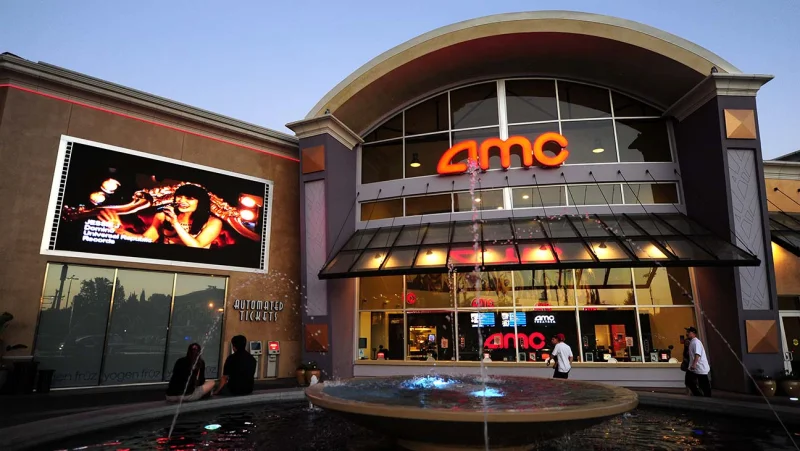
AMC Entertainment Holdings jumped 26.7% today after announcing a US$150 million equity raise, a move that gave the market a fresh reason to buy even as it adds more shares to an already volatile stock.
The cash can help with liquidity and near term debt management, and that is enough to matter when a company is still dealing with elevated leverage and cash burn. But the lift in AMC also reflects a simpler market logic: when a business raises equity, it gets breathing room, and shareholders take the dilution. For a stock with a long history of heavy dilution risk, that trade-off lands directly on existing holders.

AMC is trying to turn that money into something more durable than short-term balance sheet relief. The company has been pushing theaters toward higher value, alternative content across hundreds of locations, including The Arena One at AMC interactive concert series, as it tries to make theatrical moviegoing and event cinema work as an out of home entertainment model. That effort matters because attendance remains below pre pandemic levels and streaming continues to pull audiences away.
The problem is that the company’s own long-range narrative still asks a lot from the business. It projects US$6.1 billion in revenue and US$666.7 million in earnings by 2029, which would require 6.5% yearly revenue growth and a US$1,214.1 million swing from negative US$547.4 million today. Those forecasts produce a US$2.03 fair value, or 11% below the current price, while some of the lowest ranked analysts assume only about 3.8% annual revenue growth and no profitability.
That gap is the real story behind the stock move. The raise buys AMC time, and time is valuable for a company under pressure, but the same financing that steadies the balance sheet also stretches the share count again. Investors who pushed the stock higher today are betting that management can convert capital into better content, better attendance and better cash flow before dilution becomes the larger story.
