


A revised Protect College Sports Act obtained Monday night kept the bill’s most contested language in place: FBS football teams could still voluntarily pool their media rights into one package if 75% agree. The new version showed no major pivot from the original proposal, even as the measure moved into markup Tuesday night.
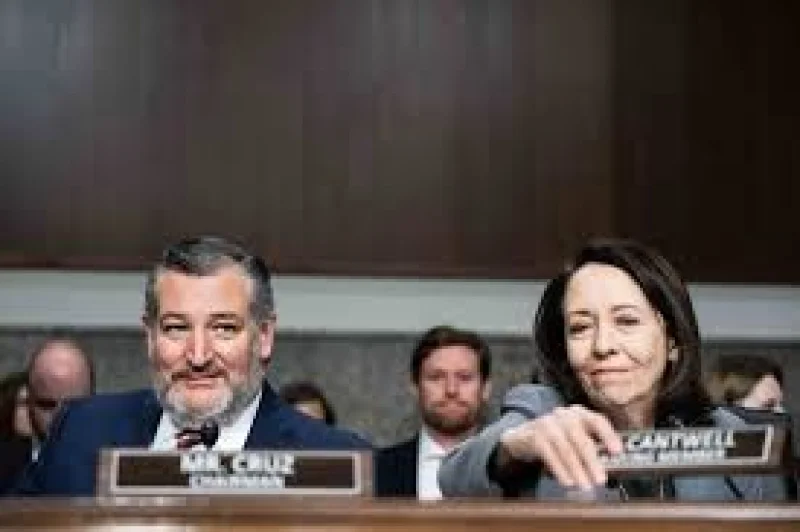
That matters now because the bill is being tested in real time. Ted Cruz and Maria Cantwell introduced the bipartisan measure earlier this month, and the latest draft arrived just as Congress began to press forward on a proposal that touches NIL turmoil, lawsuits and the value of college football television rights. Brendan Sorsby officially left Texas Tech for the NFL, a reminder that the professional path keeps pulling at the sport while lawmakers try to redraw its rules.
The 75% threshold is the bill’s practical gatekeeper. In an FBS conference, the teams would have to line up a supermajority before any voluntary media-rights pool could be formed, meaning the largest leagues could not be forced into a package unless enough members wanted it. That is the part SEC and Big Ten leaders have pushed back on, and the revised text did not answer their core complaint.
Greg Sankey, the SEC commissioner, warned last week that the language could expose the conference to lawsuits and push the SEC and Big Ten into an awkward choice: stage intraconference postseason tournaments or play only non-pooling conferences or schools in the postseason to replace the CFP. He sent that message in a letter to presidents and chancellors last week, underscoring how the dispute has already moved beyond Capitol Hill and into how the sport might actually be played.
For now, the bill’s direction is clear. The markup process has begun, but the contested media pooling section survived into the revised draft, which means the fight is not over language so much as leverage. If the SEC and Big Ten cannot win changes there, the next phase is whether they accept the bill as written or keep pressing until the proposal runs into a wall.
