


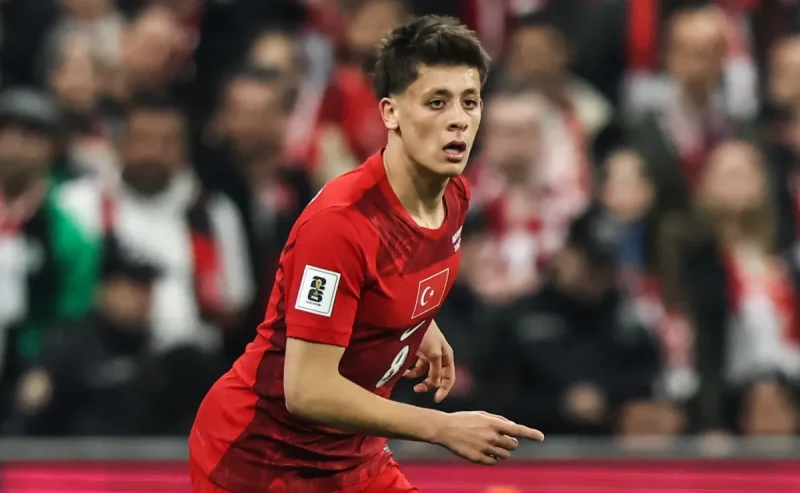
Turkey have named a squad for the World Cup that is built around youth, speed and a clear tactical idea, with Arda Guler and Kenan Yildiz at the center of it. Vincenzo Montella has turned that core into a high-intensity 4-2-3-1, and the plan is simple: let the midfield and attack do the heavy lifting while the opening game against Australia arrives with Guler now fit again after a recent injury scare.
That is why the new New Zealand World Cup squad roster search traffic lands on Turkey now: the team feels like a snapshot of where Montella wants to take it. Guler and Yildiz are both 21, Hakan Calhanoglu is the elder statesman, and the shape gives Turkey a young, flexible front end that can move quickly between passes and pressure. Guler put the mood plainly after his recovery, saying, “If there is pressure, I am here for it.”
The numbers matter because Turkey are entering Group D with Australia, Paraguay and the United States, and they are doing so with a side that looks stronger going forward than it does standing still. Montella’s system is designed to stretch opponents, keep the ball moving and feed players who can change a match in a few touches. He has built around midfield control and attacking rhythm rather than caution, which is why so much of the discussion around this squad starts with the players in front of the back line.
But that is also where the problem sits. Turkey’s defence remains their main concern, and the likely centre-back pairing of Abdulkerim Bardakci and Merih Demiral carries an obvious weakness: they have never played together at club level. That does not make the partnership impossible, but it does mean the timing, spacing and trust that normally come from repetition have to be created quickly, and sometimes under pressure, rather than already being there. In a squad praised for flair and energy, the back four can still be the part that breaks the pattern.
Montella has tried to make the whole project feel settled, even drawing on the fact that he was born near Naples in Italy and saying, “The culture that raised me and the culture I encountered in Turkey are incredibly similar.” He went further and said, “I can think like a Turk. I eat like a Turk. I act like a Turk. That’s why I feel like a Turk.” The unusual calm around camp is a contrast to the turmoil that has followed Turkey in past cycles, and it matters because this team has often been described as a dark horse, a label that has brought more burden than freedom. No team has ever won the World Cup with a foreign manager, but Turkey do not need history on their side to know the path in front of them is clear: survive the group, protect the defence and let the young attackers decide how far this squad can go.
