


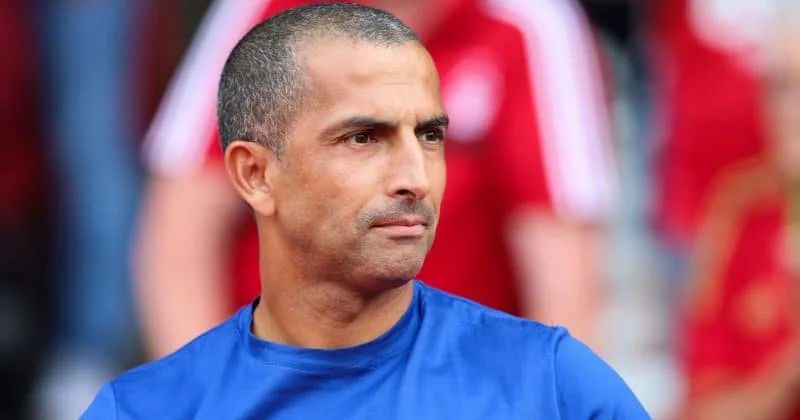
Tunisia fired Sabri Lamouchi on June 15, 2026, just hours after a 5-1 defeat to Sweden in its opening match at the 2026 FIFA World Cup. Mondher Kebaier was appointed the same day to take over a team suddenly forced into damage control.
The move ended Lamouchi's run after about five months in charge, a spell that began when he was brought in on January 14, 2026 on a two-and-a-half-year contract. Instead of a long build toward the tournament, his tenure collapsed after Tunisia conceded five goals in one World Cup match, a result that left the team with almost no margin for error from the start.
That is why the firing landed so hard. In the World Cup group stage, standings can turn on goal difference when teams finish level on points, and a 5-1 loss is the kind of opening result that can haunt a campaign long after the final whistle. Tunisia has reached the World Cup many times, but it has never moved beyond the group stage, so every early setback carries added weight.
The change also exposed how quickly Tunisia is cycling through coaches. Sami Trabelsi left after the round-of-16 exit at the 2025 Africa Cup of Nations, Lamouchi arrived to reset the side, and now Kebaier is back after having previously managed Tunisia from August 2019 to January 2022. The quick return to a familiar face suggests the Tunisian Football Federation is betting on stability over reinvention, even though the opening defeat raises the harder question of whether the problem is the coach, the moment or something deeper in the team itself.
For Lamouchi, the verdict came before the tournament had even settled into rhythm. For Tunisia, the next match now carries more than points: it carries the burden of proving that one brutal opener does not decide the rest of the campaign.
