


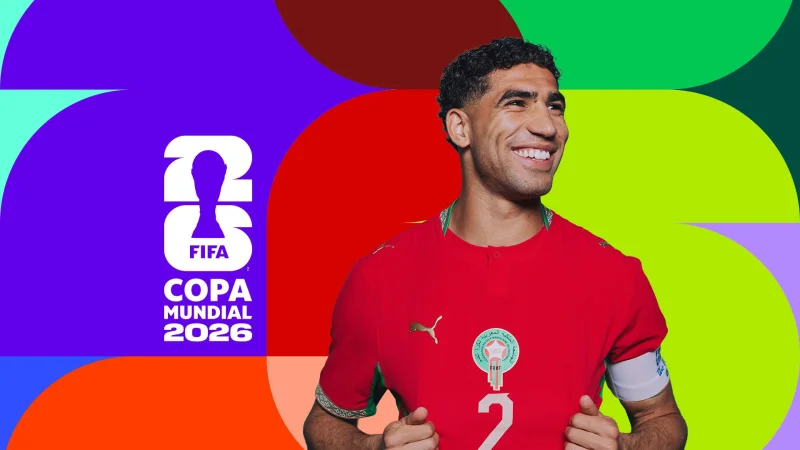
Achraf Hakimi turned one penalty into a turning point. He scored the decisive spot kick against Spain in the round of 16 at the World Cup in Qatar in 2022, sending Morocco into the quarterfinals for the first time in its history and setting the stage for a run that reached the semifinals.
That moment is why Hakimi remains a name people search when Morocco is discussed today. The PSG right back was born in Madrid, spent time in the youth setup of España and later said he did not feel at home there, choosing Marruecos instead. He debuted for Morocco in 2016 at 18, when the team was 57th in the FIFA ranking, and has since built a record of 95 matches and 11 goals.
The scale of that change shows up in the numbers. Morocco is now 7th in the FIFA ranking after the result on Wednesday, June 3, 2026, when Holanda lost to Argelia in a friendly. From 57th to 7th is a rise of 50 places, and Hakimi has been at the center of it from the start. He is not only the scorer of one defining penalty; he has become the face of a team that moved from a breakthrough in Qatar to a place among the game’s elite.
His club record explains why that status carries weight. Hakimi has won three Champions League titles, one with Real Madrid in the 2017-18 season and two consecutive titles with PSG. He has also won several league titles in Francia and one Scudetto in Italia, and he reached sixth place in the Balón de Oro ranking last season. Add the Olympic bronze medal from the Juegos Olímpicos de París de 2024, and the picture is of a player with rare reach on both the club and international stage.
There is still a live question around his body, even as his profile keeps rising. Hakimi suffered a left ankle rupture against Bayern on November 4 and was out for two months, which left him out of the first two international matches. When Walid Regragui announced the squad on November 7, he made Hakimi’s value plain by saying he was the most important player for him. That leaves Morocco with a familiar balance to manage: a team built around its most decisive player, and a player whose importance is measured not just by what he has already done, but by how much the side still leans on him now.
