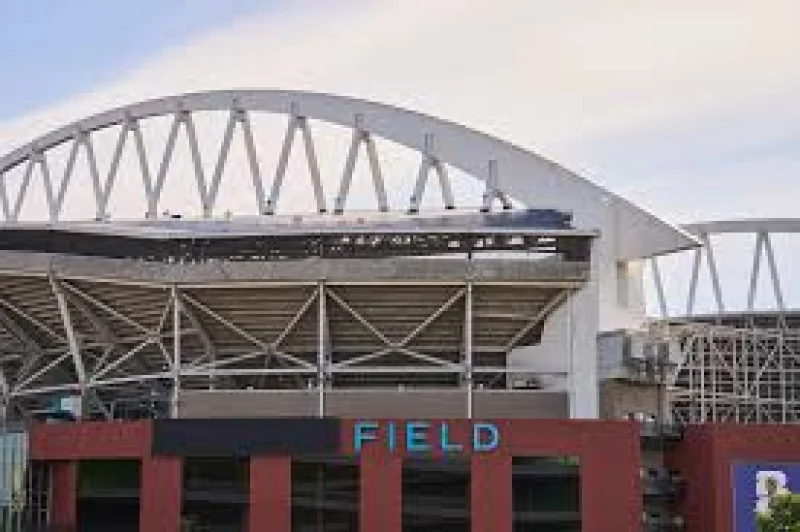
Naming-rights sponsors of U.S. stadiums that will host World Cup matches are projected to give up as much as $134.8 million in global media exposure when FIFA strips commercial branding from the venues. The hit reaches $53.5 million in domestic media value, and at least six of the brands are expected to forgo the equivalent of their average annual naming-rights payment.
The losses matter now because the tournament is close, and the branding rules are already set: World Cup venues must be free and clear of existing commercial signs. Kevin Kane, a diehard Fulham F.C. fan who said he has spent more than two years in London working with the company’s multiple European soccer clubs, said the projections are deliberately conservative and factor in recent Nielsen methodology changes. His estimate for MetLife Stadium is the clearest example. The venue will host eight matches, including the final, and he said it could generate slightly more than 100 million U.S. television viewers across those games.
MetLife pays an annual average of $18.5 million under its 25-year naming-rights deal, and Navigate projects it will lose nearly $20 million in worldwide media exposure during the World Cup. Kane said the World Cup inventory represents roughly one-third of the annual U.S. value of the current package, or about $5.9 million to $7.9 million, because the tournament replaces ordinary club and NFL-style broadcast habits with a global event that can lift host-country viewing by 50%. He said FIFA data points to a 30% to 40% increase from 2022’s almost 26 million viewers, with finals viewership potentially reaching 50 million.
The bigger loss is not on the stadium facade. Navigate’s work for Sports Business Journal focused on earned media, social media and broadcast exposure from past World Cups, and it found that value on telecasts came mainly from announcers’ verbal mentions. Stadium signage itself is not typically featured prominently on World Cup broadcasts, which is why brands lose more from what is said than from what can be seen. Kevin Kane said the absence of the naming-rights partner in on-air references, digital content, news coverage and highlight packages does most of the damage.
That is where the friction sits for sponsors such as AT&T, which is projected to forgo about $18 million in exposure, close to the average annual cost of its stadium naming-rights deal with the Dallas Cowboys. Mercedes-Benz, the only naming-rights partner whose primary headquarters are not in the U.S., also faces a muted return even though its North American operations are 15 miles from the Atlanta stadium that bears its name. Fox and Telemundo will use FIFA-designated city names such as Dallas Stadium, while.com lists the venues by their branded names, a split that underscores how little control sponsors will have over how often their names travel during the tournament.
For brands that bought long-term naming rights to cash in on repetition, the World Cup turns that logic upside down. The event will still deliver a huge audience. It just will not deliver it in the form sponsors paid for.