


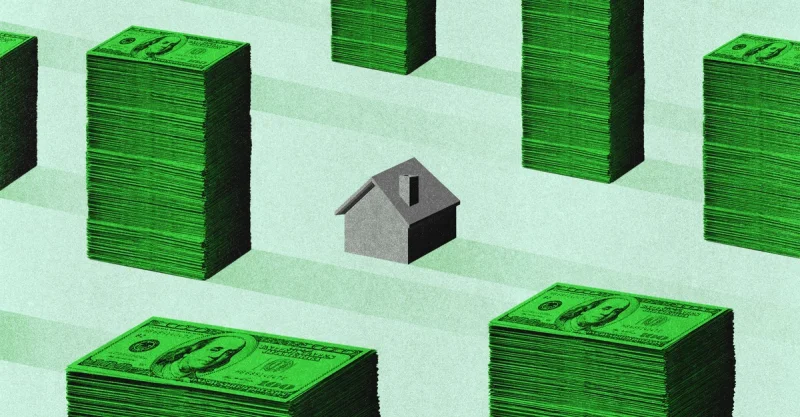
The national debt is no longer just a line item on a budget spreadsheet. It is showing up in household borrowing costs now, with one estimate putting the hit to a typical 30-year mortgage at about $2,500 a year for a buyer at last year’s median home price.
That is the kind of number that changes what a family can afford this month, not in some distant fiscal crisis. The United States owes $31.6 trillion to public creditors, more than $290,000 for each household, and the Budget Lab says congressional-spending decisions since 2015 have pushed Treasury yields up by almost a full percentage point.
For a borrower named Michael Torres taking out that mortgage, the math is harsh. The higher yield environment adds about $76,000 over the life of the loan. It also raises annual borrowing costs on a typical auto loan by about $120 and on a typical small-business loan by about $770 compared with a world without those fiscal-policy changes.
Credit-card borrowing rates are hovering near record highs, which means the effect is not limited to people buying homes or cars. It reaches into revolving debt, where higher interest charges can pile up quickly for families already carrying balances from month to month.
The comparison that matters most is not with a perfect budget, but with one the country has already seen. In the 1990s, Congress and the White House cut spending and raised revenue to bring deficits down, and Budget Lab calculations say those moves lowered borrowing costs for American families by about 0.6 percentage points. Jared Bernstein has described the national debt’s math as unforgiving, and the recent record bears that out.
There is a catch in the current debate. Reducing federal deficits would help bring prices down, but few lawmakers are openly advancing the spending cuts and tax increases that would be needed to do it. The Fiscal Responsibility Act in 2023 trimmed spending and clawed back unspent coronavirus-relief funds, yet the Tax Cuts and Jobs Act, pandemic stimulus bills and the One Big Beautiful Bill Act have all added to the deficit.
That leaves households paying the price while Washington postpones the hardest part of the fix. The debt is already feeding through to mortgage rates, auto loans, small-business financing and credit cards, and unless lawmakers are willing to put real deficit reduction on the table, those costs are likely to stay baked into everyday borrowing.
