


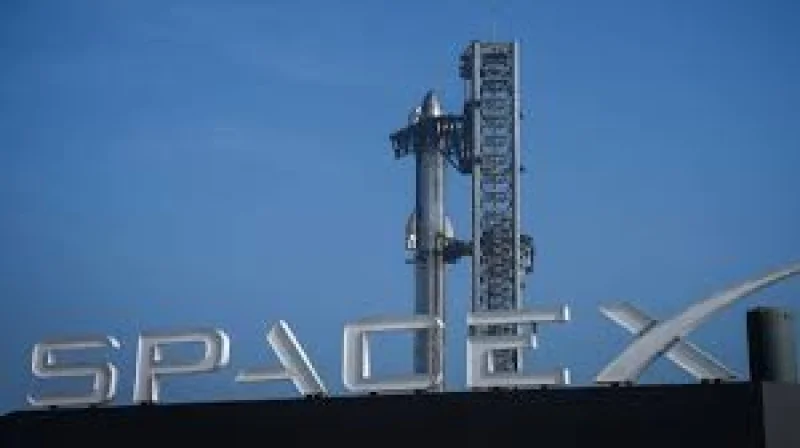
SpaceX finished a US$75-billion share sale on Thursday and is set to begin trading on Friday under the ticker SPCX, marking one of the most closely watched public-market debuts tied to a private company in years. The sale covered 555.6 million shares at US$135 each, and the company will offer 4.3 per cent of its shares to the public.
That is why investors are searching for Nasa stock now: SpaceX is not just listing, it is entering a market structure that can pull money from index funds almost immediately. Andreas Park said every fund connected in some way to the Nasdaq 100 would have to buy SpaceX, and that it would end up in a very large number of people’s portfolios. For Canadian investors, that matters because they collectively hold over US$19-billion in ETFs that track the Nasdaq 100, while those tracking the S&P 500 hold over US$110-billion.

The difference comes down to index rules, and it is not the same on both sides of the market. Nasdaq announced in February that it would shorten the seasoning period for megacaps to 15 trading days, a move it said was meant “to ensure that the Nasdaq 100 Index remains timely and representative of the market it measures.” S&P Global said last week it would not allow megacaps fast entry to the S&P 500, even though it will let them into broader indexes such as the S&P Total Market Index. In practice, that means funds tracking the Nasdaq 100 will be forced to buy a portion of SpaceX shares once it is added, while S&P 500-tracking funds will not face the same immediate demand.
The contrast is especially sharp because newly listed companies usually wait through a seasoning period before index inclusion. The Nasdaq 100 typically uses three months, while the S&P 500 holds new listings back for a year. SpaceX, a megacap by Nasdaq’s definition because it is worth at least US$200-billion, is getting a faster path than most listings as markets prepare for a wave that may also include names such as Anthropic and OpenAI. It will also be added almost immediately to the Vanguard U.S. Total Market Index ETF because that provider allows megacaps into its benchmark five trading days after debut.
For now, the key date is Friday, when SPCX begins trading and the first index-driven buying pressure starts to become real. What remains unclear is the exact number of SpaceX shares individual funds and ETFs will need to buy, but the direction is already set: Nasdaq-linked money will have to move, and a company that was private until this week is about to show up in a lot of portfolios all at once.
