Emma Little-pengelly turned Monday’s Assembly debate on the Good Jobs Bill into a fresh warning shot at Sinn Féin, calling the proposed legislation “half-baked” and saying she would not back it in its current form. The Deputy First Minister accused Sinn Féin of trying to “bully and bounce her” into support, and said the bill had no support among the business community.
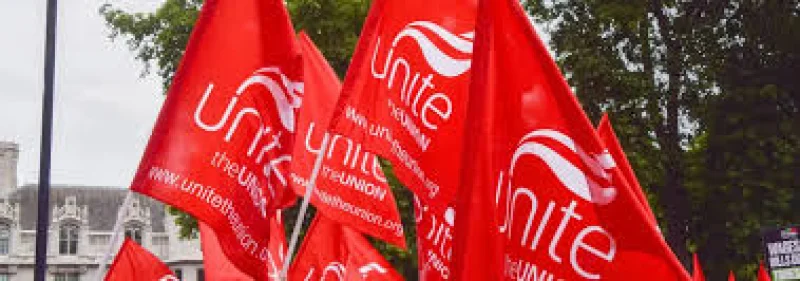
That intervention matters because the legislation is meant to change employment law across Northern Ireland, touching trade union access, zero-hours contracts and leave rights for carers and parents seeking neonatal leave. For more than a million workers, the bill could change how unions meet staff and how far employers can block that access.
Under the plan, trade unions would get a “right to request” access to meet workers for recruitment and representation, with employers barred from unreasonably refusing. At present, unions generally only have a right to enter a workplace if they are already recognised by the employer, which is why the access clause has become the sharpest point of dispute.
Little-pengelly said those provisions went too far, describing them as “the most aggressive and expansionist access to trade unions, not just in the UK and Ireland but across the European Union.” She also said she would support the bill if Sinn Féin Economy Minister Caoimhe Archibald agreed to split the legislation and remove the new trade union rights. That is the line the row now rests on.
Archibald has defended the Good Jobs Bill as providing important rights for all workers and said she would not be “leaving anyone behind.” Sinn Féin has accused the DUP of blocking the legislation and says it would improve working conditions across Northern Ireland, while also helping workers on zero-hours contracts and families trying to secure neonatal leave.
The political problem is that there is still no agreement around the Executive table. The bill is an Executive-level reform, but the fight over union access has exposed how brittle that support remains, even with the rights package attached. If Archibald does not split the bill, the dispute over whether union access should move with the wider package may be what decides its future.