


The WNBA’s new developmental player system is already being used across the league, and it has gone from idea to reality fast. Early in the season, 24 of the 30 available developmental contract spots were filled, a sign that teams are treating the new CBA provision as more than a reserve option.
That matters now because the league’s teams are searching for depth in real time, and players are searching for a way to stay in the WNBA instead of disappearing from it. Under the new system, clubs can sign two developmental players, and those players can join all training sessions and practices, travel with the team and spend up to 12 games on the active roster.
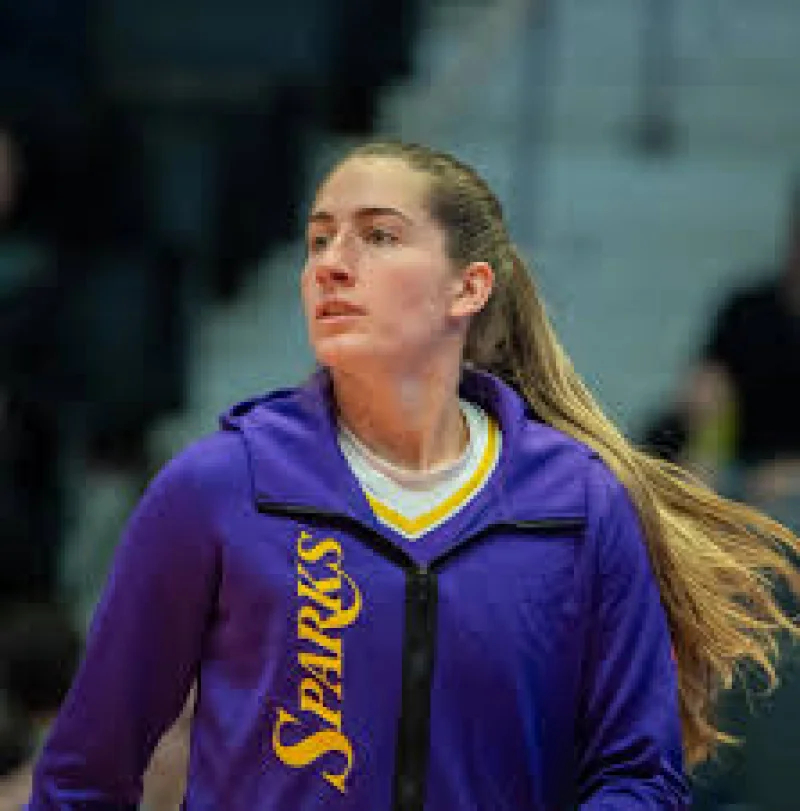
The practical effect is already visible. The Los Angeles Sparks used Martin in five games after the Golden State Valkyries waived her before the season started, then picked her up immediately on a developmental-player deal. In a recent game against the Connecticut Sun, Martin played 13 minutes, a small slice of court time that still kept her attached to a WNBA roster rather than waiting for a fuller opening somewhere else.
New York has used the system too. The Liberty activated Anneli Maley for two games, while Connecticut waived Hailey Van Lith when Leïla Lacan arrived and then brought Van Lith back as a development player. The current setup also caps each team at 24 development-player games total, and that limit does not reset if a club cuts one developmental player and signs another. Development players are earning about $6,000, or the pro-rated minimum, for those active games.
That is why the early numbers stand out. The system was designed to retain talent, but there are not yet any sure success stories for developmental-deal players, at least not enough to prove the model has changed roster-building in a lasting way. Teams can keep more players close, but they still have to decide quickly who is worth one of those 24 games and whether the answer will hold up once injuries ease and rosters get tighter.
The Las Vegas Aces and the Toronto Tempo had not used any of their development contract spots early in the season, and Aces coach Becky Hammon said before a recent game that her team had tried to add players but the ones it wanted had already found homes elsewhere. That leaves the league with most of its new developmental slots spoken for, but the bigger question is still open: which of these short-term bridge deals becomes a real WNBA foothold before the games run out.
