


U.S. inflation data for May is due Wednesday before the opening bell, and traders are bracing for another monthly increase just as oil prices jump and stock futures slide. The Labor Department is expected to show prices rose 4.2% from a year earlier, which would mark a third straight month of gains.
The timing matters because the market is already under pressure. S&P 500 futures fell 1.1% before the bell, Nasdaq futures slid 1.6% and Dow Jones Industrial Average futures were down less than one percent as investors weighed the inflation reading against a sharp rise in energy costs after U.S. military attacks against Iran pushed oil up 2%.
Brent crude climbed $1.67 to $93.12 a barrel, while benchmark U.S. crude rose $1.89 to $90.09. Warren Patterson said the situation remains highly volatile, a view that fits a trading day in which prices are moving on both the data calendar and the Middle East. The expected CPI reading is not just another number; it is arriving when markets are already trying to price in the cost of a widening conflict and the risk that energy prices feed into broader inflation.

That is why the inflation report has taken center stage even as other pockets of the market move in different directions. Micron fell 4.2% before the bell, Super Micro Computer tumbled nearly 12% and Nvidia slid 2.5% overnight, while Cracker Barrel jumped 10.7% after posting a third-quarter profit of 29 cents a share, well ahead of the 48-cent loss analysts expected, and raising its full-year guidance.
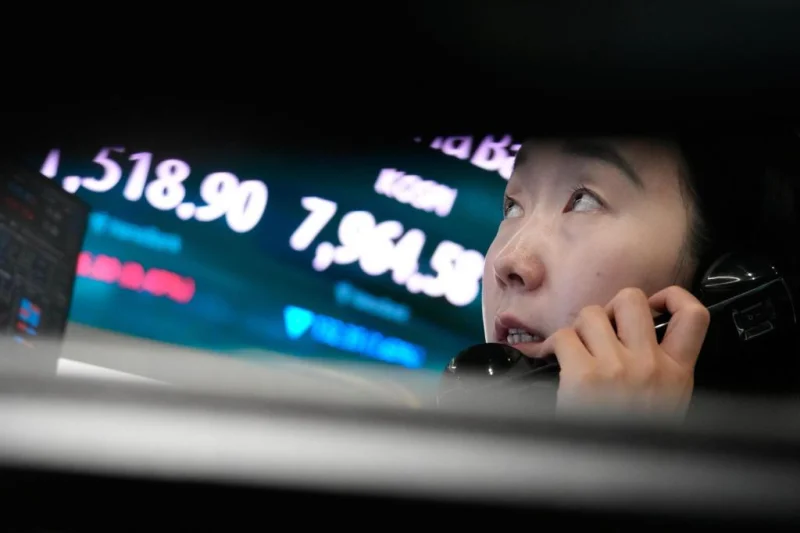
The pressure is not limited to U.S. markets. South Korea's Kospi gave up 4.5% to 7,730.82 after Samsung Electronics sank 6.1% and SK Hynix fell 7.5%. Tokyo's Nikkei 225 dropped 1.9% to 64,179.27, with SoftBank Group off 8.3% and Advantest down 4.2%, while Hong Kong's Hang Seng fell 0.6% to 24,407.96 and the Shanghai Composite slipped 0.4% to 3,993.23. Australia's S&P/ASX 200 was 0.6% higher at 8,653.30.
For now, the question is whether Wednesday's report confirms that inflation kept climbing at the same time oil surged and equities weakened. If it does, it would deepen the strain on markets already dealing with a first losing week in 10 for the S&P 500, heavy selling in artificial-intelligence names and renewed doubts that the Strait of Hormuz can fully reopen soon. Patterson and Ewa Manthey warned that the episode underscores how hard it remains for Iran and the U.S. to reach a sustainable ceasefire that would allow vessels to move freely through the strait, and that uncertainty is now colliding with the morning's most closely watched economic release.
