


South Carolina voters are choosing nominees for governor and other offices on Tuesday, setting up the next phase of a statewide race that will help decide who carries the banner into November. The ballot is crowded on both sides, with seven Republicans and three Democrats running to succeed GOP Gov. Henry McMaster.
That scramble is why jermaine johnson sc is drawing searches now. Johnson, a state representative, is one of three Democrats running for governor, alongside attorney Mullins McLeod and businessman Billy Webster, while Republicans are trying to sort out a field that includes U.S. Rep. Nancy Mace, U.S. Rep. Ralph Norman and state Attorney General Alan Wilson.
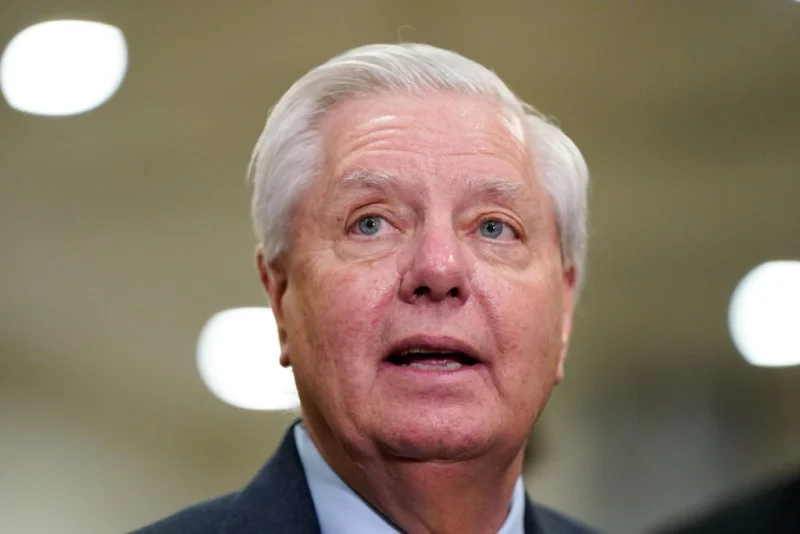
The governor's contest is only part of the story. In the U.S. Senate race, Republican incumbent Lindsey Graham faces five primary challengers as he seeks a fifth term, while Democratic challenger Annie Andrews is back on a statewide ballot after unsuccessfully taking on Mace for her House seat in 2022. Graham had spent more than $29 million on his reelection bid as of May 20 and still had about $4.2 million in the bank entering the final stretch.
Trump's influence hangs over several of the marquee contests. He has endorsed Graham and Lt. Gov. Pamela Evette, who is running for governor to replace McMaster, but endorsements have not always been a guarantee of victory. A recent Republican gubernatorial primary in Iowa showed that even with Trump's backing, a candidate can still come up short when voters make their own choice.
Mace's decision to run for governor leaves her 1st Congressional District seat open, and 11 Republicans and seven Democrats will appear on the primary ballot there. Former Gov. Mark Sanford dropped out of that race, but none of South Carolina's seven congressional seats is expected to be especially competitive in November after the Republican-controlled state Senate rejected a Trump-backed effort to redraw the map and erase the state's lone Democratic-held district.
Any candidate who fails to win a majority on Tuesday will be pushed into a June 23 runoff between the top two vote-getters, a rule that could extend the fight in the governor's race, the Senate contest or the congressional primaries. McMaster is leaving after 10 years in office, and the stakes go beyond a single election cycle: South Carolina is expected to remain an early presidential primary state, with its first-in-the-South role likely to matter again in 2028.
