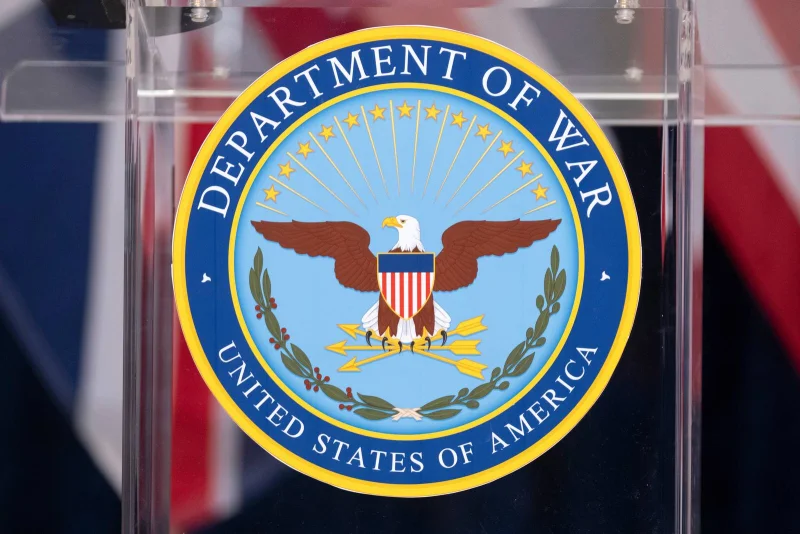
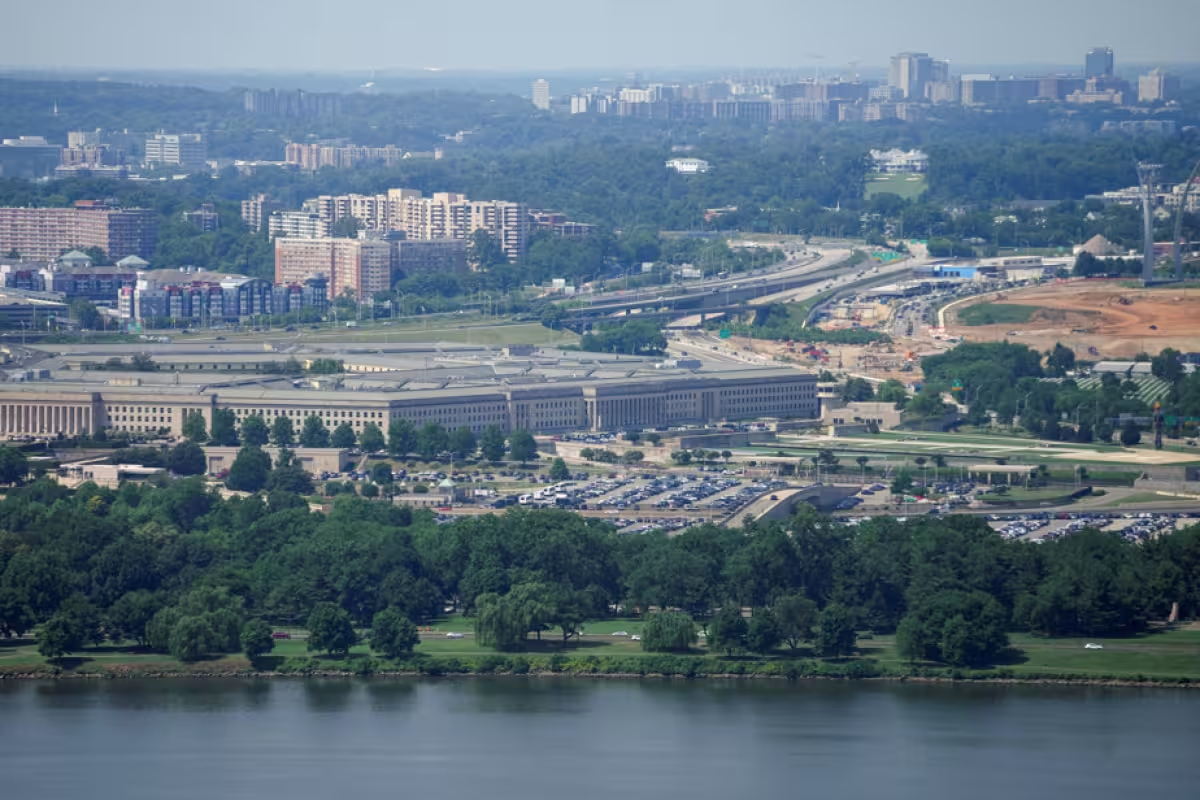
The Pentagon has trimmed its list of recognized military faith codes from more than 200 to 31, and under the new policy The Church of Jesus Christ of Latter-day Saints is no longer classified as Christian.
The change matters now because it affects how the armed forces sort service members’ religions at a moment when the Pentagon is being pressed to explain why a church many of its own members identify as Christian was moved out of that category. The policy also folds a number of faiths into broader labels such as Muslim and evangelical Christian, while other religions were pushed into a catchall other religions category.
For troops, that is not an abstract database cleanup. It changes the way chaplains and military planners gather information about the people they are meant to serve, and it has already set off a public fight over who gets to define Christianity. Jenna Carson, who said she had never previously had any issues regarding her Christianity in the military, told the Salt Lake Tribune, “We’re all confused about it.”
Sean Parnell said the policy was designed to help chaplains collect information on how to serve members of common religions within their units. He said it was not meant to make any claims about the legitimacy of any faith or to provide a list of officially approved religions. That explanation has done little to calm LDS leaders and Utah Republicans, who say the classification wrongly contradicts the church’s Christian identity.
On Sunday, Rep. Mike Kennedy wrote on X that the Pentagon’s decision to list The Church of Jesus Christ of Latter-day Saints apart from other Christian faiths is wrong and needs to be corrected. Sen. John Curtis also posted that church members are unequivocally Christian. Kennedy said no one needs to wonder where members of the church stand: “We stand with Christ. We are Christians.” Curtis called it unacceptable for a government entity to characterize a faith in a way that contradicts its own foundational tenets.
The policy change was first described in a May memo and later reported by Military.com. Since then, the Pentagon has moved from a system with more than 200 faith codes to one with 31 recognized categories, a sharp reduction that consolidates many beliefs into broader groups and leaves some out entirely. That shift may make record-keeping easier, but it also turns religion into a bureaucratic sorting exercise with immediate political and personal consequences.
John Compere argued that the change was not really about efficiency at all, but about partisan political purposes, saying it damages troop morale and weakens religious freedom protections under the Constitution, Defense directives and military regulations. Eric Biggart said the move did not surprise him, adding, “That’s been clear to us for 10 years now.”
The Pentagon has not said whether it will revisit the classification after the backlash, and that is now the question hanging over the policy: whether the military sees this as a technical adjustment, or whether it is willing to leave in place a designation that has already prompted a fight over identity, authority and faith itself.