


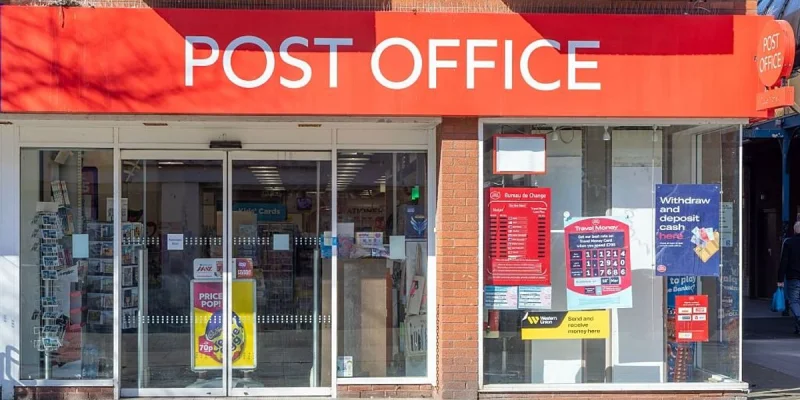
Rural Post Offices across Britain are warning they could be forced to close after an April revaluation pushed about 600 previously exempt branches into business rates for the first time. The change leaves the network facing an extra £29million in tax over the next year.
The scale of the rural Post Office tax rise is landing now because the new bills follow the revaluation, and the impact is being felt hardest by small branches that say they have little room to absorb it. The average rural branch is now expected to pay four times more than it did in 2023-24, while some businesses are facing rises of 200 per cent.
For Paul Patel, who runs Dibden Purlieu Post Office in Hampshire, the increase is already measurable. He said his business rates bill had risen by more than £2,000, and that was before he counted higher National Insurance contributions and staffing costs linked to minimum wage rises.
Patel said his outgoings were climbing by thousands of pounds a year and argued that postmasters are repeatedly told how vital they are to their communities, especially in rural areas. But, he said, keeping those services running now requires meaningful support rather than a growing list of costs.
The Post Office says branches are a lifeline for many communities, yet the tax system is adding large bills that it says bear little relation to branch size or turnover. Neil Brocklehurst, speaking for the organisation, said there was a structural unfairness in how the tax burden falls across the network.
That complaint lands in places where there is already little spare capacity. Countryside outlets are the ones most exposed, and the concern is not just over accounting but over access to basic services in communities with limited banks and retail options.
The new figures suggest the pressure is becoming more than a temporary squeeze. One quarter of branches now face annual business rates bills of more than £5,000, and one in 10 will pay more than £10,000. For the smallest rural post offices, the question is no longer whether the bills are heavier, but how many of them can survive long enough to pay them.
What remains unresolved is how many branches will actually shut. The revaluation has already changed the economics for around 600 branches, and unless there is some relief, the closures warned about by postmasters like Patel may follow the bills rather than the debate.
