


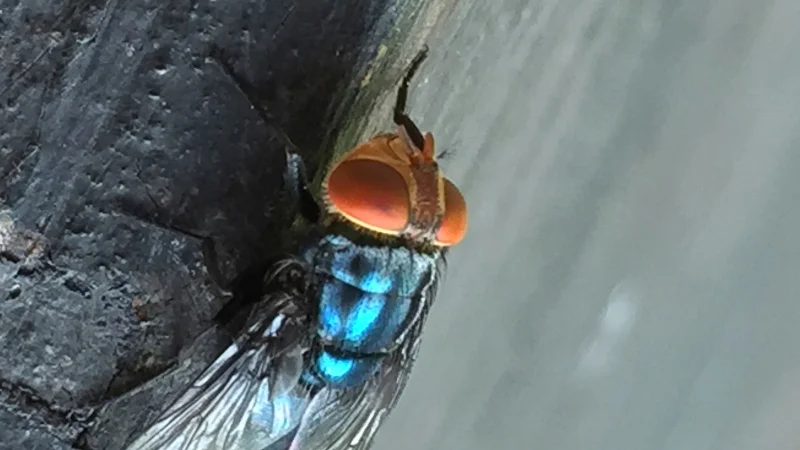
The U.S. Department of Agriculture said Monday that two new New World screwworm cases have been confirmed, including the first one found outside Texas in a dog from Lea County, New Mexico. The other was found in a calf in La Salle County, Texas, bringing the total reported cases to four.
The new cases matter because the fly is threatening the $113 billion U.S. cattle industry, and Texas alone has $17 billion worth of cattle. Brooke Rollins, the agriculture secretary, is now dealing with an outbreak that is no longer confined to one state and is beginning to test how quickly federal and state officials can keep it from moving farther north.
The screwworm’s return carries a sharp edge of history. The pest had been eradicated in the United States through a long-running campaign that bred sterile male flies and dropped them from planes to mate with wild females, and it had not been seen in Texas since 1966. For decades before that, screwworm flies were a warm-weather scourge for cattle ranchers from at least the 1930s through the 1960s.
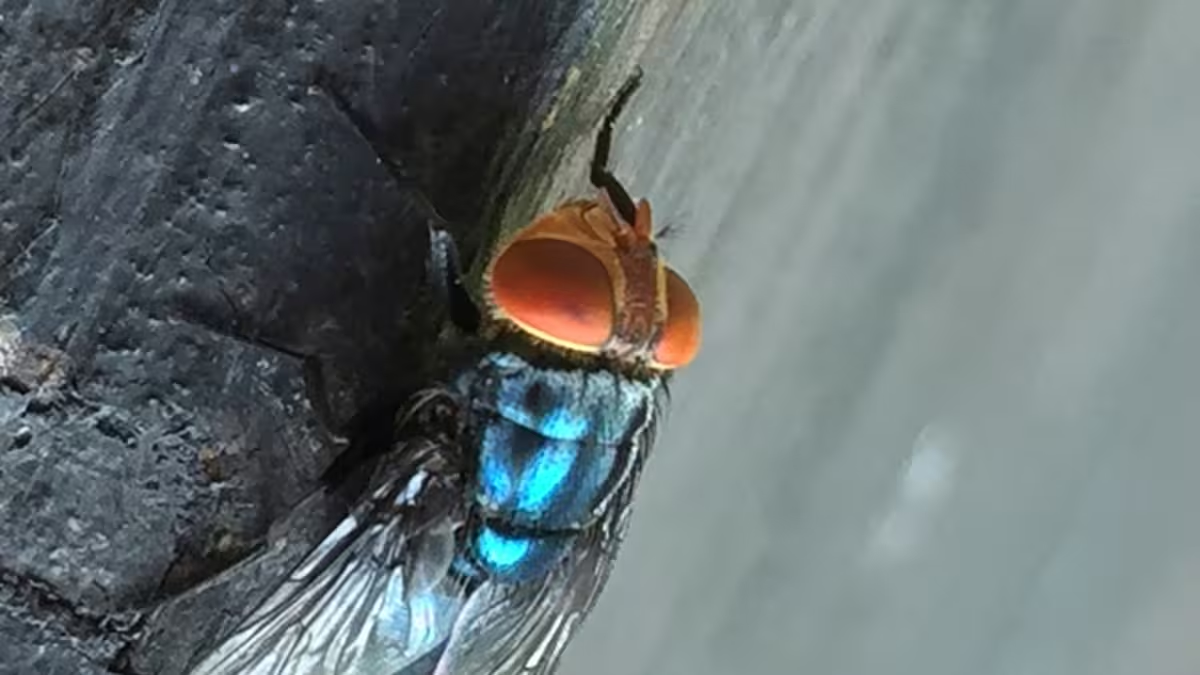
What makes the current outbreak more alarming is that the fly has already crossed a line it had been held back from for years. The U.S. Department of Agriculture has confirmed that it arrived in south Texas after being detected in Mexico late in 2024, when it was still contained at the southern end of Panama. That northward spread is the reason the issue has moved from a veterinary concern to a national livestock problem.
Texas state veterinarian officials have already established a 12-mile quarantine zone to stop animals from moving out of the area without inspection. That barrier shows the response is still local for now, but the latest cases suggest the outbreak is no longer neatly contained. What remains unanswered is how the dog and calf became infected and whether the quarantine will be enough to keep the pest from moving farther into U.S. herds.
For ranchers, the next few days matter less as a countdown than as a test of containment. If the outbreak is going to be checked, it will have to be done while the cases are still few and the spread is still measurable. If it is not, the country is looking at the return of a parasite that once took years of coordinated work to drive out.
