


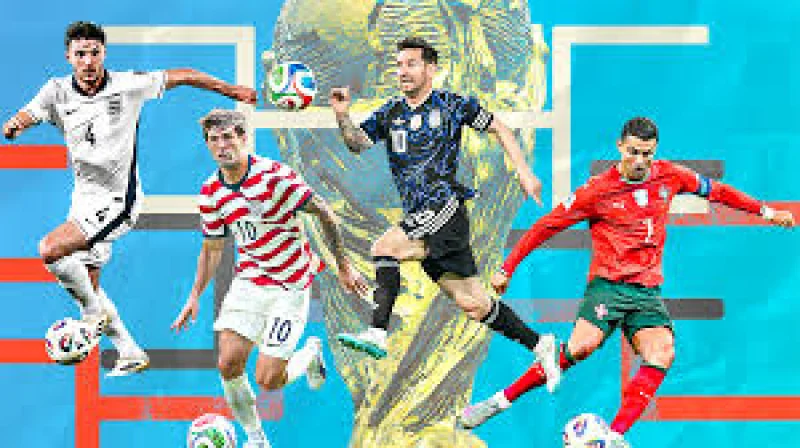
The 2026 World Cup will be the biggest in the tournament’s history, stretching to 104 matches across 48 teams and three host countries. That scale is now the headline, and it is already changing the way the event is being discussed before the first ball is even kicked.
Search interest around mexico vs south africa is part of that broader buildup, as fans begin sorting through a tournament that will not look like the World Cups that came before it. Lionel Messi was pictured taking a break with teammates during practice for the FIFA World Cup soccer on Wednesday, June 3, 2026, in Kansas City, Kan., a reminder that the sport’s biggest names are already in the frame as the expanded event comes into view.
The size alone makes the 2026 tournament different. Forty-eight teams will be part of the field, giving more nations a place on the sport’s biggest stage, while the schedule will swell to 104 matches. That is a major jump in volume, and it means more knockout paths, more group games and far more chances for the tournament to dominate the calendar than the compact editions that fans know best.
The format change also leaves part of the picture hanging in the air. Three countries will share hosting duties, but the full breakdown of how those matches are distributed is not spelled out here, and that omission matters because geography will shape everything from travel to atmosphere. The scale is being sold as historic, but the details that make that scale manageable are still only starting to come into focus.
That is why the next step matters more than the label of biggest ever. Once the host-country split and match allocation are fully laid out, the tournament will stop being an abstract expansion and become a concrete road map for teams, supporters and broadcasters preparing for a World Cup unlike any before it.
