


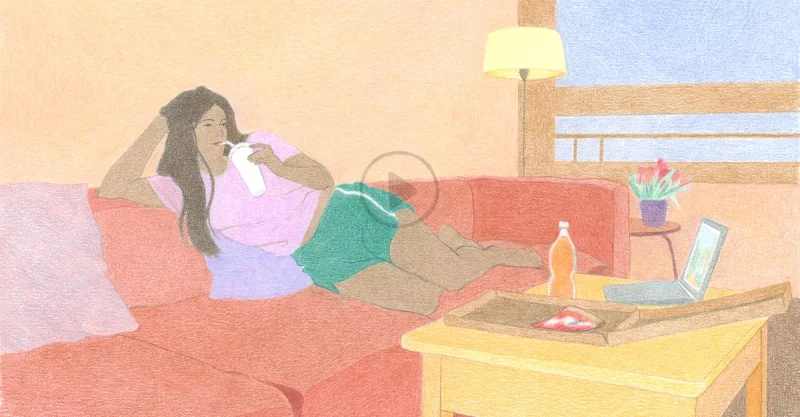
Generation Z has turned solitude into a small but very visible social-media genre, with creators posting quiet, lonely-looking videos that can pull in large audiences. One of the clearest examples is Lana Isa, a 24-year-old in Toronto who has built 195,000 Instagram followers by filming her tidy apartment, her routines and the kind of Friday night that sounds more like a warning than a caption.
That is why people are searching for Generation Z and this corner of the internet now: the appeal is not just the content, but the contradiction at its center. Isa’s videos are built around aloneness, yet they travel through a deeply social system of followers, comments and reposts, where isolation becomes something other people can watch, react to and recognize themselves in.
Isa’s clips usually show her shuffling around her quiet apartment, often with subtitles that read like a joke and a confession at once. One typical line says, “POV you’re single, have no friends, live alone and won’t be having kids so this is your Friday night.” Another creator in the same loose lane uses a bio that reads, “nyc with no friends and no complaints,” while some posts are tagged #cozyathome, #introvertdiaries and #alonenotlonely. One woman in her mid-30s posts about being happily single, living with her parents and interacting only with them.
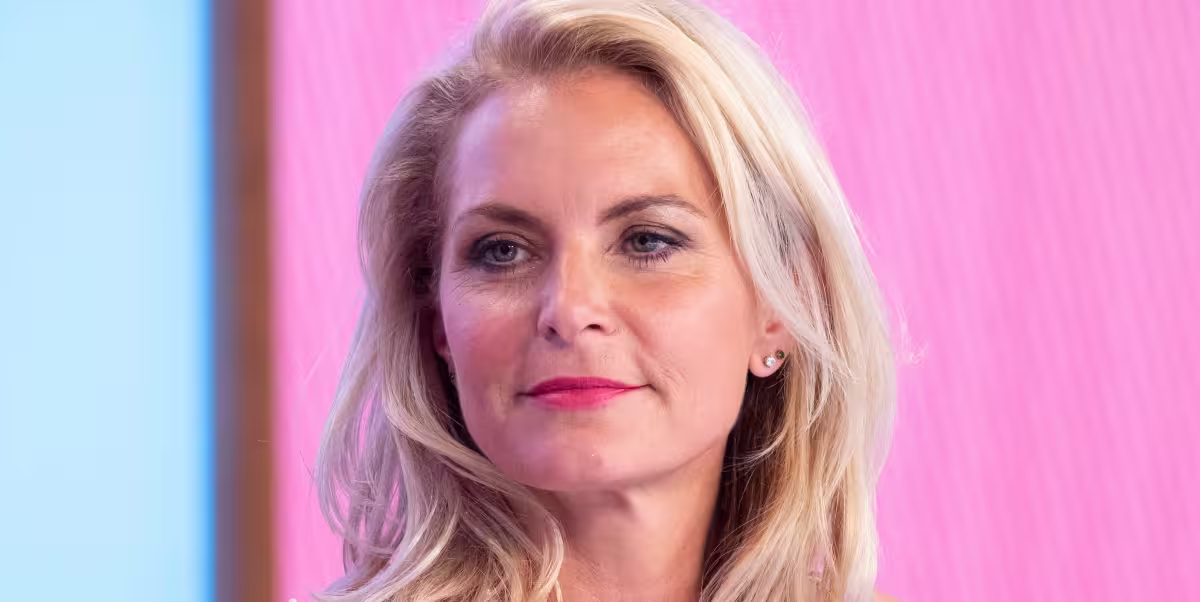
Isa has also been blunt about how little of the usual influencer machinery she lets into her life. She said her notifications are turned off on all her social-media platforms, that she does not check them right after posting, and that the only people who text her are her mother and sister — along with her phone provider when the bill is due. On a call, she said, “influencing doesn’t get in the way of pure solitude.”
That is what gives the trend its pull. The videos present solitude as a choice and sometimes even a point of pride, with Isa saying, “It’s ok to live a life others don’t understand” and “it’s only embarrassing if you’re embarrassed.” But the genre is also inherently social, because the people who watch these clips gather in the comments to talk about anxieties, pets, food preferences and favorite novels. Psychologists have said some people probably need very little social interaction, and the size of these followings suggests there is a sizable audience for that idea.
What remains unresolved is whether this popularity reflects loneliness, self-selection or something broader about how people now relate to being alone. For now, the clearest answer is that solitude no longer sits outside the feed. It is part of it, monetized by attention and sustained by the same comment threads that the videos seem to keep at arm’s length.
