


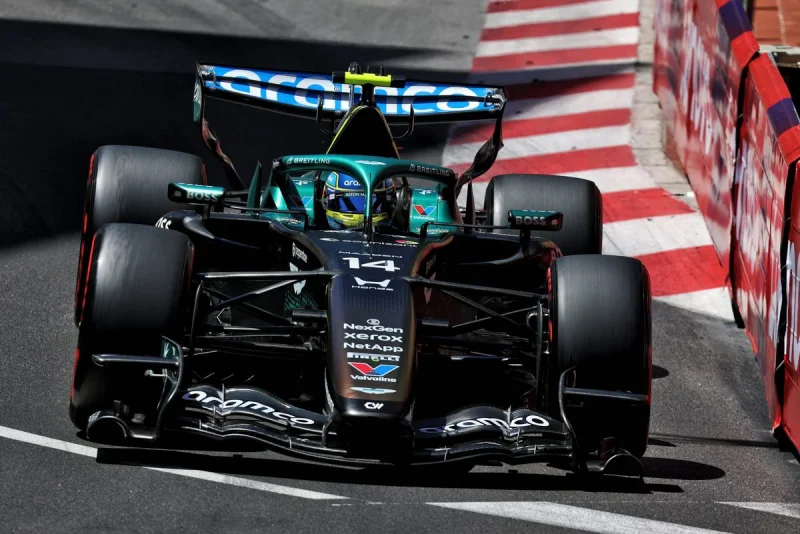
Monaco gave Formula 1's new 2026 cars a cleaner test than most circuits, and the verdict was still split. Drivers said the layout cut down the usual recharge headaches and turned the session into a more direct battle for lap time, but the relief did not erase the doubts that have followed the new era from the start.
That made the 2026 Monaco Grand Prix a search-worthy moment for a simple reason: this was the first time all season that drivers could mostly stop thinking about energy management and just attack. Lando Norris called it probably the most pure qualifying laps you've seen all year, while Charles Leclerc said there were no energy thoughts during the lap and that it was full attack from the beginning to the end. Nico Hulkenberg went even further, calling Monaco encouraging because of its energy-rich layout of corners.
The reason Monaco changed the picture was straightforward. Hard braking zones meant the cars could recover energy more easily, so drivers spent less time worrying about recharge and more time pushing the lap. F1 cars were not using active aerodynamics during the weekend, either, which shifted the focus toward chassis and tyre performance and made the cars feel closer to a traditional qualifying fight than the power-unit chess match seen elsewhere this year.
But the cleaner running only exposed how divided the paddock still is over F1 2026. Norris said he was not suddenly happy with the package, pointing out that drivers were still watching their dash, trying to get the recharge off at the right time and the battery in the right point, and warning that someone would eventually crash while looking at the controls instead of the track. Alonso was even blunter after Friday practice, calling the cars probably the worst generation he had ever driven in Monaco and arguing that hybrid cars should not be racing because of the inconsistent interaction between the power unit and brakes. After qualifying, he said the generation of these cars is...they are not good.
Hamilton also called the lack of downforce and grip a step down, while recalling his Monaco weekends in 2007 and 2008 more fondly. The broader message from the paddock is not that Monaco fixed the problem, but that it briefly hid it: the current power units can look better when the circuit hands drivers a break, yet the criticism has not gone away, and changes to the engine package for next year and for 2030 are already being discussed because not everyone in Formula 1 accepts the current cars as the answer.
