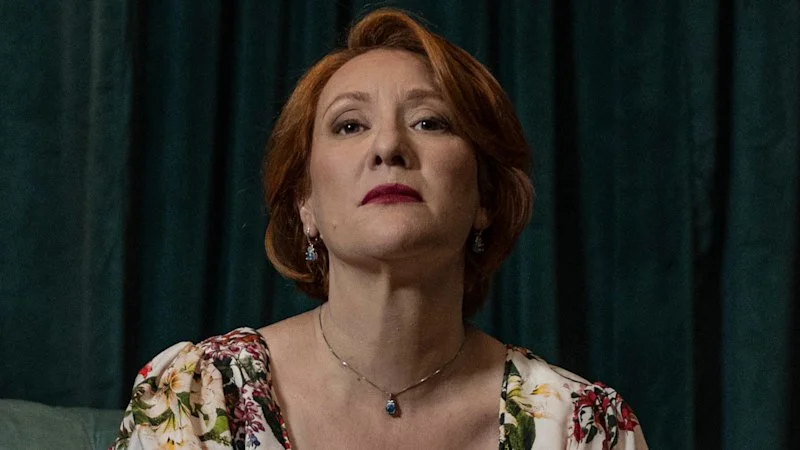
Dr Jeni Haynes says the six parts of herself that stepped into a Sydney courtroom in 2019 helped put her father behind bars for 45 years. Now, in the documentary We Are Jeni, she is speaking publicly about the 2,682 people she says live inside her mind and the survival strategy that carried her through childhood abuse.
Haynes, now 56, says the story is not about spectacle but endurance. A decade before the trial, she had been diagnosed with dissociative identity disorder, and she says the identities inside her were the reason she lived through abuse, rape and torture throughout her childhood. Her account has drawn attention because six alternate personalities gave evidence in court, something many people find hard to believe even as the trial ended with Richard Haynes jailed and the case setting a legal precedent.
The numbers are what make the case impossible to file away as metaphor. Haynes says she uses the pronouns we, us and our because she does not see herself as one voice but as a system that stayed alive by dividing the work. One of those alters is Symphony, a four-year-old she describes as the original personality that created the whole constellation; others include the protective Erik and the leather-clad Muscles. She says the only way she survived her father was by switching between them, “like shoving in a new battery,” when one part became too exhausted to go on.
That idea sits at the center of the friction around her story. Haynes says 2,682 people inhabit her mind, a claim that can sound impossible from the outside, yet the court heard from six of those alters and accepted evidence that recalled abuse, rape and torture. The documentary places her experience against a wider history of dissociative identity disorder, once known as multiple personality disorder, and notes how films such as The Three Faces of Eve and Sybil often showed the illness through therapists’ eyes rather than through the people living with it. Haynes says she could not watch the 2009 Toni Collette series United States of Tara for more than five minutes.
Her public role now is part testimony and part challenge to the way the illness is understood. Haynes spent 18 years in academia studying psychology, criminology and male victimology, completed a PhD in male victimology and later co-authored The Girl in the Green Dress with her psychiatrist, Dr George Blair-West, who also appears in We Are Jeni. NSW Police detective Paul Stamoulis is in the documentary too, and Haynes says, “He listened, and then he went out and got evidence.” She also says the colostomy bag she wears is a permanent reminder of what her father did, and of the medical care she says she is still worthy of receiving.
For Haynes, the next step is not a new verdict but a continuing act of witness. She says she will keep telling the story of what her alters helped survive and what their evidence changed in court, even if the scale of her account leaves some listeners struggling to believe the woman who lived it.