


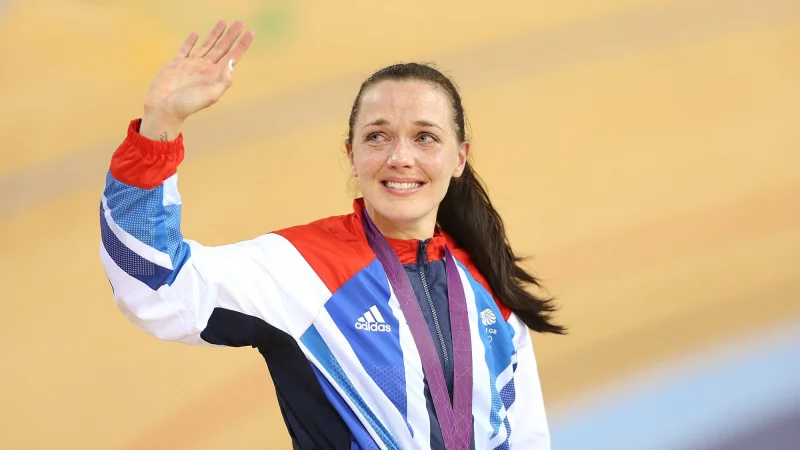
Victoria Pendleton has drawn a blunt line under a belief she once carried as a teenager: beating men at sport does not impress them. The Olympic champion said she thought it might when she was younger, but has since found that the reaction is very different.
The comments land now because Pendleton is speaking back over a career that made her one of British cycling’s defining figures. She was born in September 1980 in Stotfold, Bedfordshire, started racing at nine and was invited to national trials at 16 after the GB team noticed her results.
That path was not the one she imagined as a girl. Pendleton said she was an outcast, the dorky kid who rode her bike to school rather than catch the bus, and that sport was the only thing she felt she was any good at. Her earliest memories, she said, were watching her dad race, although she did not have ambitions of standing on an Olympic podium when she was young.
Her rise gathered pace after she became a full-time cyclist in 2002. Three years later she won the first of many world championship titles, then took Olympic gold in the sprint in 2008 before winning gold in the keirin and silver in the sprint at the 2012 Olympics. She retired after those Games and was made a CBE in 2013.
Pendleton said the leap into elite sport still felt unreal at the time. She was plucked from obscurity to train with World and Olympic champions, and said Chris Hoy and Jason Queally looked after her while her twin brother Alex gave her confidence. Even at the height of her success, she said, she felt like a total fraud — talk about imposter syndrome.
That is what gives her remark about impressing men its edge. She thought winning against them would matter, but says it does not, cutting against the easy idea that athletic victory automatically changes how people see you. For Pendleton, sport was not a performance for anyone else. “Sport was my opportunity to express myself,” she said, adding that she is an introvert.
Her life after cycling has only widened the distance between the image and the person. Since retiring, she has had a stint as a jockey and appeared on Strictly Come Dancing, reminders that her story has always been about more than medals. The unresolved question is not whether she won enough — she did — but how many of the assumptions around female success in sport still survive the podium.
