


The Supreme Court on Tuesday night let Alabama keep its congressional map in place for the 2026 elections, granting an emergency appeal that preserves a plan lower-court judges had already found illegal because it discriminated against Black Alabamians.
The ruling keeps the state’s districts intact for now and gives Alabama Republicans a map that could shape the midterms. It also means Black voters in the state will head toward 2026 under a plan the lower court said was tainted by intentional race-based discrimination.
The emergency order came after a three-judge panel, including two Trump appointees, said it could not require Alabamians to vote under a districting plan tainted by intentional race-based discrimination. On May 26, that panel reaffirmed its finding that the state’s desired map was illegal, saying it had reviewed the record with fresh eyes in light of the Supreme Court’s earlier decision in Louisiana v. Callais.

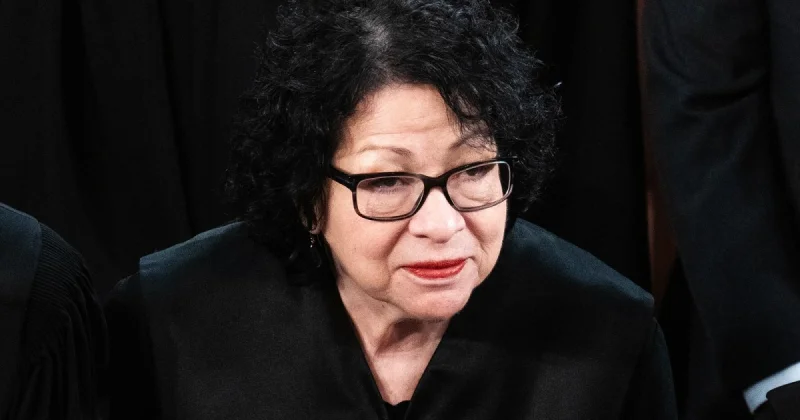
That earlier case is at the center of the fight. On May 11, the Supreme Court had ordered the Alabama court to reconsider its ruling in light of Callais, and the majority on Tuesday said the panel departed from that instruction and did not heed the presumption of legislative good faith. In a separate dissent, Justice Sonia Sotomayor said the majority had chosen a path that risks a chaotic election and objected that the state would now hold the contest with a never-before-used congressional map that intentionally discriminates against Black Alabamians.
Sotomayor said there was “no reason” to do that and joined Democratic appointees in warning that the move corrodes the rule of law by rewarding Alabama’s gamesmanship and outright defiance of court orders. Justice Elena Kagan, in an earlier dissent tied to the same line of cases, called the court’s approach a “now-completed demolition of the Voting Rights Act.”
For now, Alabama’s map stays. The open question is whether any further court action will arrive in time to change it before ballots are set for 2026, or whether the state’s voters will go to the polls under the district lines the lower court tried to block.
