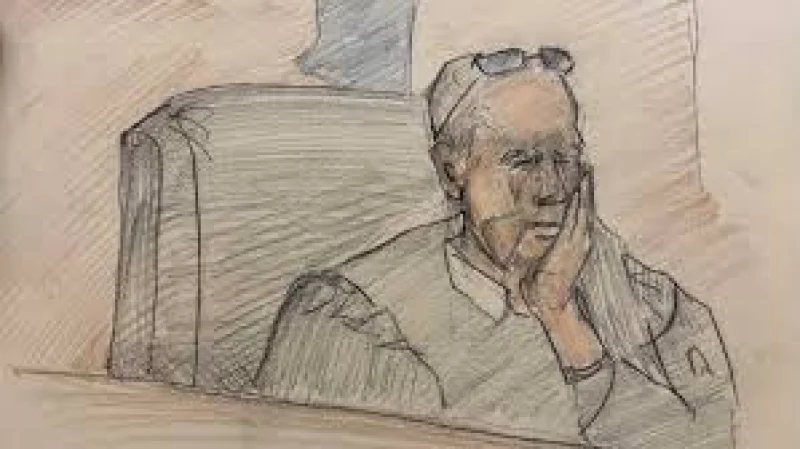
Hannah Dugan was back in federal court on June 3, but the sentencing scheduled for that day was put off after a judge agreed to hear arguments on whether her case should be reconsidered. The hearing centered on a defense bid to revisit an earlier ruling that kept the case alive.
That matters now because Dugan was already convicted in December of felony obstruction, and she had been set to learn her sentence on Tuesday before U.S. District Judge Lynn Adelman paused that step. Adelman had signed an order days earlier setting oral arguments on the reconsideration request, making the June 3 hearing the latest turn in a case that has moved from verdict to sentencing fight.
The case stems from a courthouse immigration operation in April 2025, when prosecutors said federal agents planned to arrest Eduardo Flores-Ruiz inside the Milwaukee County Courthouse. Prosecutors said Dugan told the agents to go to the chief judge’s office down the hall and directed Flores-Ruiz and his attorney to leave her courtroom through a back door. A grand jury indictment accused her of obstructing federal agents and helping an undocumented man evade them.

The jury that heard the evidence in December split the charges. It found Dugan guilty of felony obstruction, but not guilty of the misdemeanor count accusing her of helping Flores-Ruiz evade the agents. She resigned as judge in early January, and Adelman later denied her and her defense team’s request for a new trial and an acquittal in April.
That earlier loss is what gives the June 3 hearing its weight. Dugan’s lawyers are still pressing Adelman to reconsider his dismissal ruling, even after the jury verdict and after the judge rejected their post-trial challenge. If Adelman changes course, the shape of the case changes with it. If he does not, sentencing moves back to the center of the story.
Flores-Ruiz was ultimately arrested outside the courthouse, later pleaded guilty to illegally reentering the U.S. and was deported in November. For Dugan, the immediate question is no longer what the jury decided. It is whether the judge who delayed her sentencing will let the conviction stand without another look at his earlier ruling.