


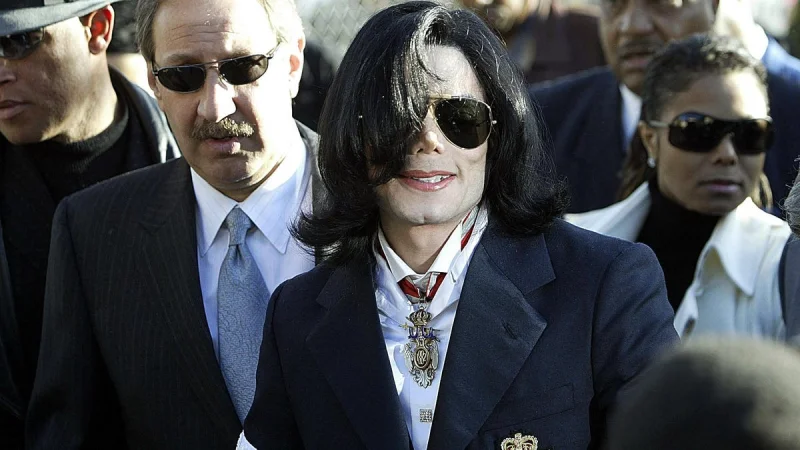
Netflix is now streaming a three-episode documentary series that returns to Michael Jackson's 2005 criminal trial over allegations that he molested 13-year-old Gavin Arvizo. The series, titled Michael Jackson: The Verdict, pulls the case back into view with law-enforcement footage, interviews and material from Jackson's inner circle.
That is why Gavin Arvizo is back in searches now: the case that once dominated headlines is being reframed for a new audience, with the documentary built around the trial itself rather than the mythology that grew around it. Jurors later acquitted Jackson on all counts, citing insufficient evidence, but the allegations still anchor the series and give it its charge.
One of the most unsettling threads runs through Vincent Amen, who said he came to work for Jackson in 2002 and was tasked with looking after the Arvizo family after they returned to Neverland Ranch. Amen showed old Polaroids from the estate, including one Janet Arvizo captioned, “Dearest loving Michael, we appreciate you being our family. What God brings together, no man can undo. We love you,” and another that Star Arvizo captioned, “I love you, my daddy Michael. Your son, Blowhole.” Amen said, “These are the nicknames that Michael would give these young boys.”
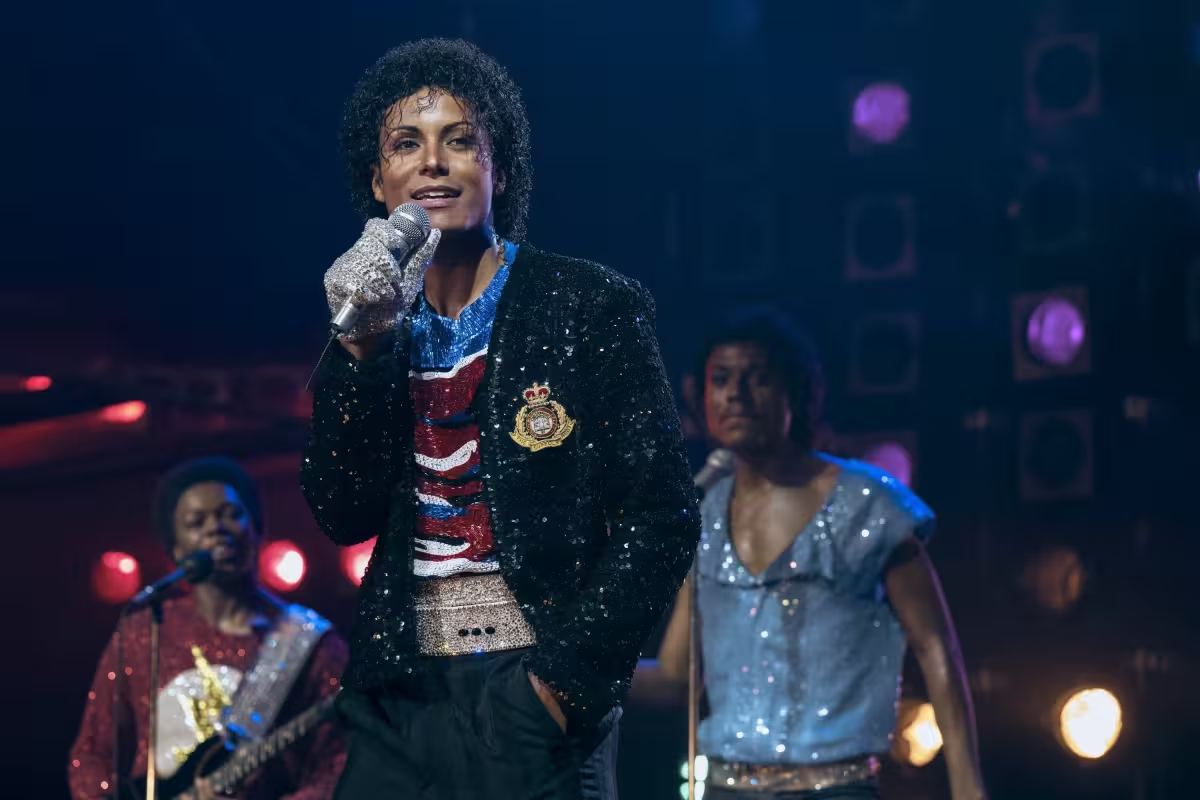
The documentary also brings in more disputed details around Jackson's circle after his arrest, including Amen's allegation that Frank Cascio, also known as Frank Tyson, gave him a Nike bag containing what he described as an illicit magazine. Amen said he saw circles around the video-ordering section and images of naked children, and that Tyson told him it was “just a phase” that he and Jackson went through. A title card in the first episode says Tyson could not be reached for comment by the filmmakers.
Another voice in the series, journalist Diane Dimond, says Jackson was hiding out in Las Vegas when Neverland was raided, opening the door in a colorful dashiki muumuu while wild parties went on inside the villa. She described cigarette burns in the furniture, empty liquor bottles on tables and young teenage boys speaking German. For viewers, the documentary's value is less about a verdict that is already settled and more about the unresolved gap between what was shown, what was alleged and how the case is being remembered now.
