The Reserve Bank may keep interest rates on hold for the rest of the year after the economy slowed to 0.3 per cent in the March quarter, a result that points to more strain for households already under pressure from higher living costs.
For people searching Australia rent hikes predictions, the latest figures matter because they shape the outlook for borrowing costs, rents and spending into the second half of the year. Annual growth held at 2.5 per cent, but the quarterly pace cooled enough to strengthen the case for the central bank to wait and see after lifting rates in February and again in March.
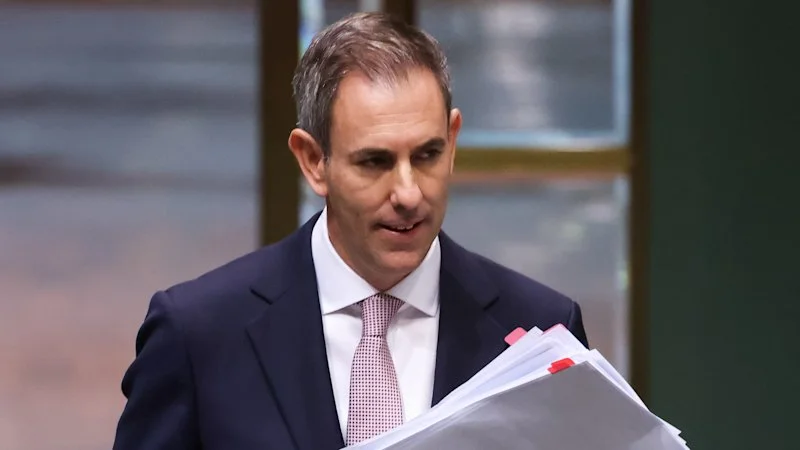
Jim Chalmers said the economy had performed solidly through the start of the year, but the detail behind the headline showed how uneven that performance was. Household spending rose 0.5 per cent, yet that was mostly driven by essentials, which climbed 0.8 per cent, while discretionary spending increased just 0.1 per cent. Spending on footwear and household equipment fell 0.5 per cent, and eating out at cafes and restaurants was flat.
The one area that kept the economy from looking weaker was private business investment, which jumped 6 per cent on the back of a 30-year-high rise in machinery and equipment. That surge added 0.7 percentage points to growth, more than offsetting some of the drag from net trade, which took 0.8 percentage points off the total. A series of tropical cyclones also weighed on mining and transport-related activity in northern Australia, reducing growth by an estimated 0.3 percentage points.
The split is important because it shows consumers pulling back while firms, especially in New South Wales and Victoria, keep spending heavily. Private capital spending rose 9.5 per cent in NSW and 3.5 per cent in Victoria, with businesses in the two states spending record amounts through the quarter — $43.6 billion in NSW and $34.6 billion in Victoria. Much of that outlay is tied to data centres, and almost all of the equipment needed for them is imported, which makes the investment boom look impressive even as it does little to ease pressure on everyday budgets.
There is still a catch. The March quarter figures came before the cut in fuel excise and do not include the RBA's May rate rise, so the slowdown may not be the final word on how hard households are being squeezed. Government spending also fell 0.2 per cent, its weakest quarterly result since September 2022, leaving the private sector to do much of the heavy lifting. If the central bank does hold steady now, it will be because the economy is slowing enough to justify patience, not because the pressure on borrowers has gone away.