


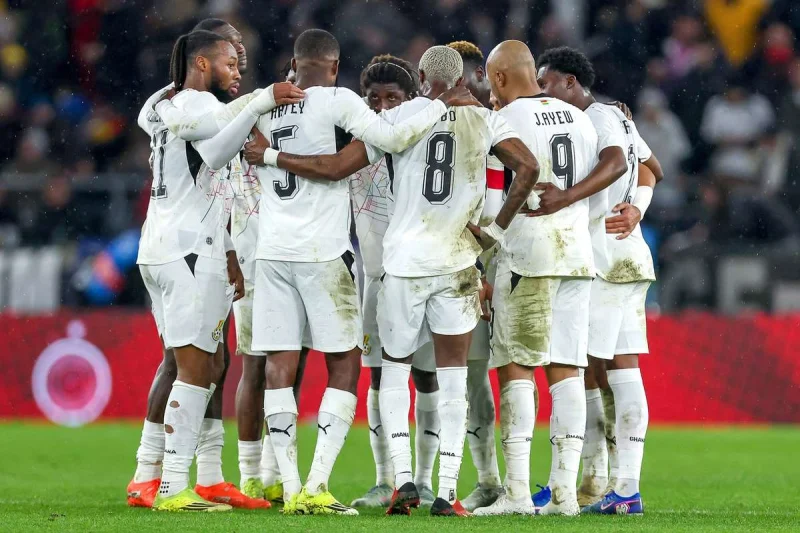
Carlos Queiroz defended Thomas Partey when pressed on whether the midfielder would be taken to the World Cup, saying the Ghana coach would not rush judgment before the courts had ruled. The Portuguese coach framed the debate around the presumption of innocence, even as the questions over Ghana’s squad were being asked just days before the tournament.
That timing mattered because Ghana was in the final stretch of selecting its group for the trip to Qatar, and Partey remained one of the most closely watched names. Queiroz said the player was being judged before the justice system had made a decision, and he urged patience as the case ran its course. His remarks came in response to queries about a decision that carries both sporting and public weight: whether one of Ghana’s most prominent players would be included when the squad was finalized.
Partey, who joined Villarreal in Spain in August of last year, has been accused five times by two women over alleged crimes said to have taken place between 2021 and 2022. A third woman later accused him of sexual assault, and two more women are also tied to the allegations under scrutiny. He denied the accusations before an English court in February, was arrested in 2025 and later released on conditional bail after paying bail, and has been required not to contact the women who accused him or change address, or travel internationally, without reporting it.
Queiroz did not publicly reveal Ghana’s final names before the friendly against Wales in Cardiff, leaving the selection question open. Ghana had already named 28 players for World Cup preparation and a warm-up match, but the final list was still not disclosed even as FIFA was due to publish the squads for all national teams on Tuesday. The unresolved issue now is whether Partey, despite the allegations and bail restrictions, will be on Ghana’s final World Cup list when it is made official.
Ghana are in Group L with Croatia, England and Panama, and their opener is scheduled for 17 June against Panama in Toronto. For Queiroz, the decision over Partey is no longer just about one player. It is a test of how a national team balances footballing value, public scrutiny and the legal principle he invoked in Cardiff.
