Labour is split over whether to slow the planned rise in the wage for 18- to 20-year-olds, after a government-backed report warned that youth unemployment is costing Britain more than £125bn a year. The dispute has opened just as ministers are weighing how far and how fast to deliver a manifesto promise to bring younger workers onto the same minimum wage as those aged 21 and over.
The argument matters now because the pressure is coming from both the labour market and the party’s own promise. Alan Milburn’s report said the number of young people not working or studying has passed one million for the first time in more than a decade, while the current youth rate stands at £10.85 after an 8.5% rise this year. The main rate went up by 4.1% to £12.71, and the government has already told the Low Pay Commission to put more weight on employment rates than youth unemployment when it makes its next recommendation.

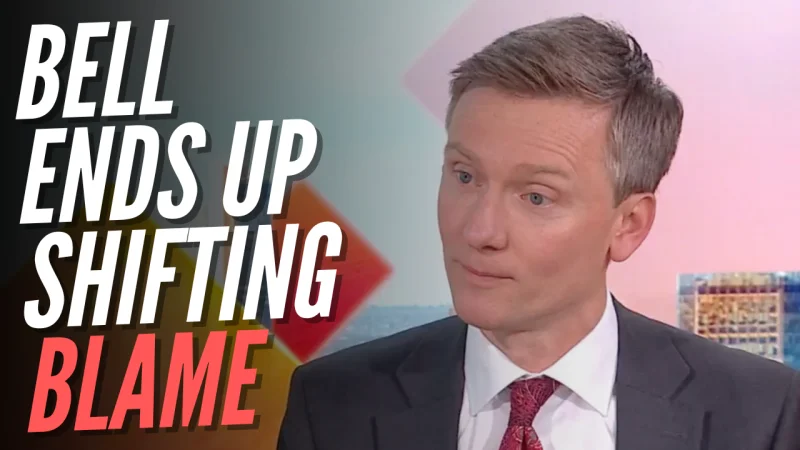
That leaves ministers trying to square a political pledge with a warning about jobs. Labour promised in its manifesto to equalise pay for 18- to 20-year-olds with the rate for workers 21 and over, but it never set a timetable. Some in government fear another sharp rise could hit hiring in sectors such as hospitality and retail, where margins are thin and employers are already under strain. Others say the recent evidence does not point to job losses. Torsten Bell said the Low Pay Commission did not find evidence that earlier increases in the youth wage had affected employment, and last month the commission said it did not believe wage rises were driving youth unemployment.
Milburn, who led the report, argued that employers need to feel able to take the risk on younger staff, especially in low-margin businesses that were badly hit by the cost of living squeeze. That view cuts against the instinct of ministers who think now is not the moment to give 18- to 20-year-olds the full minimum wage, even if the broader goal remains unchanged. Bell has said Labour is committed to its manifesto and will deliver it, but that the pledge did not set out the timeline.
The next test comes in October, when the Low Pay Commission is due to tell the government what it recommends for the financial year starting on 1 April 2027. If ministers want a slower pace, that is the moment to press for it; if they do not, the equalisation of the wage for younger workers is likely to move ahead on a path that was never spelled out in public.