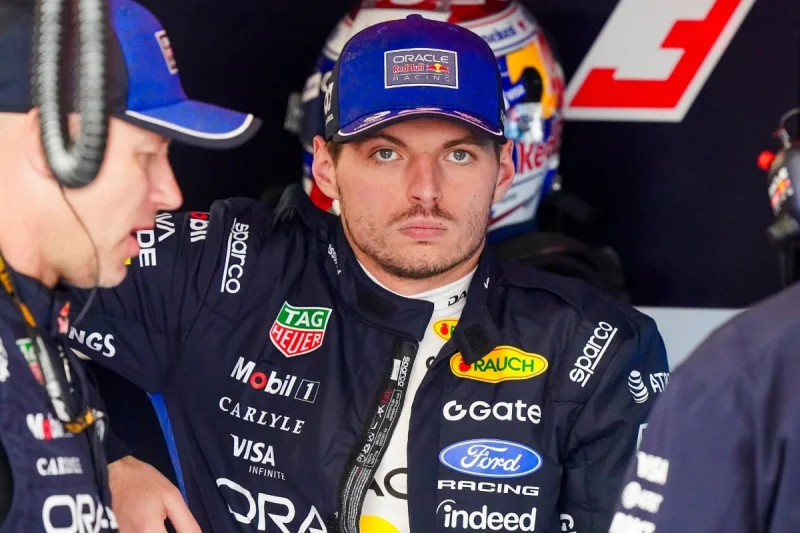
Oscar Piastri said Formula 1’s proposed 2027 power unit change is moving the sport in the right direction, but he does not think it will fully solve the problem drivers face when they start a qualifying lap. The McLaren driver said the planned shift from a 50:50 split between combustion and electrical power to 60:40 in favour of the internal combustion engine would help, but not enough on its own.
The comment came ahead of the Miami Grand Prix, after the FIA said an agreement had been reached in principle between the relevant parties. The proposal still has to pass an official vote before it becomes a confirmed rule change, and it is drawing attention because the aim is simple: let drivers push flat out in qualifying again.
Piastri’s view carries weight because he is living the frustration now. He said his last victory came at the 2025 Dutch Grand Prix, a 14-race wait that has made small margins feel larger, even as McLaren remains in the fight. He added that the team could have had two race wins in the last couple of races with different circumstances or decisions, a reminder that the season has been tight enough for details to decide outcomes.
The Australian welcomed the direction of the proposal, but he also laid out why the headline change does not go far enough. He said that even older engines with an 80:20 or 85:15 split did not always allow full deployment everywhere at some circuits, and argued that the same problem would remain if the hardware itself does not change. In his view, the trouble is not only the split on paper, but the practical business of opening a qualifying lap and getting the battery to the right level while managing turbo boost.
That is where the friction sits. A 60:40 split sounds like progress because it moves Formula 1 away from the current balance, but Piastri said there is not really a solution apart from changing hardware. On that reading, the proposal may ease the strain on drivers, but it does not end the need to think about electrical delivery at the exact moment a lap begins.
The next step is procedural, and it matters. If the rule is voted through, Formula 1 will have edged closer to a power unit format intended to restore more aggressive qualifying laps, but the harder question will remain whether the new setup actually removes the deployment issue that has frustrated drivers for years. Piastri’s answer was clear enough: it is a step forward, not the final fix.