


Lawmakers revived the Chicago Bears stadium push late Sunday by filing the megaprojects bill as an amendment to House Bill 958, a last-minute move meant to keep the plan alive before the legislative session ended at midnight. The 145-page measure dropped around 11 p.m. and was sponsored by state Sen. Bill Cunningham and Sen. Napoleon Harris.
The filing came after the bill had failed to get enough support in the state Senate, even as Cunningham said he believed the measure had the votes there and was less certain about the House. That left Springfield racing the clock on a proposal tied to property tax relief for a new, publicly owned but privately backed stadium for the Bears, with the team’s future in Illinois still hanging on whether lawmakers could clear the amended bill before the deadline.
Cunningham said the effort was meant to create a framework for the Bears to build a stadium in Illinois and compared it to the setup used in Northwest Indiana. The proposal would let municipalities create their own stadium authorities, a structure lawmakers were considering as part of a broader effort in Springfield that also touched the budget and the BUILD plan. Three months earlier, Indiana lawmakers passed legislation establishing funding for a potential stadium for the Bears in Hammond, increasing the pressure on Illinois to produce its own offer.
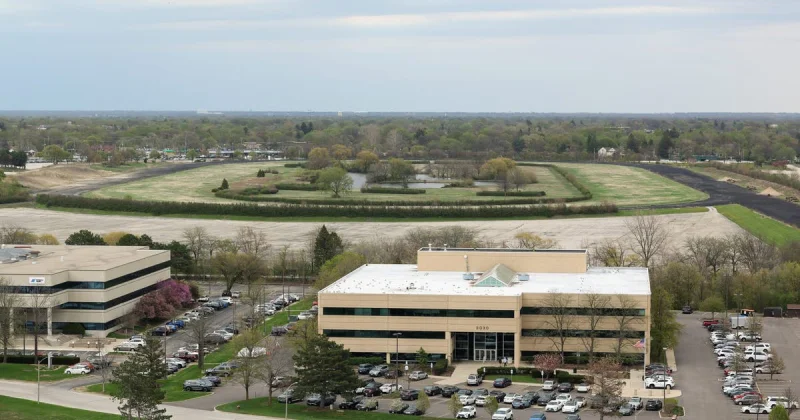
That competition matters because the Bears have said they could choose between Arlington Heights and Hammond for the site of a new stadium. In Illinois, the measure was meant to give the team a tax incentive comparable to what Indiana is offering, while also providing relief tied to the Arlington Heights property the team has already eyed for a move. The bill was being pushed through closed-door talks in Springfield with the broader aim of keeping the franchise on the Illinois side of the state line.
The problem for supporters is that the calendar may already be working against them. Although the session ended at midnight, bills can still move afterward if they win a higher threshold in the General Assembly, leaving open a narrower path for the amended measure. Whether the Chicago Bears proposal can clear both chambers in time now depends on how quickly lawmakers can turn a late-night filing into votes.
