


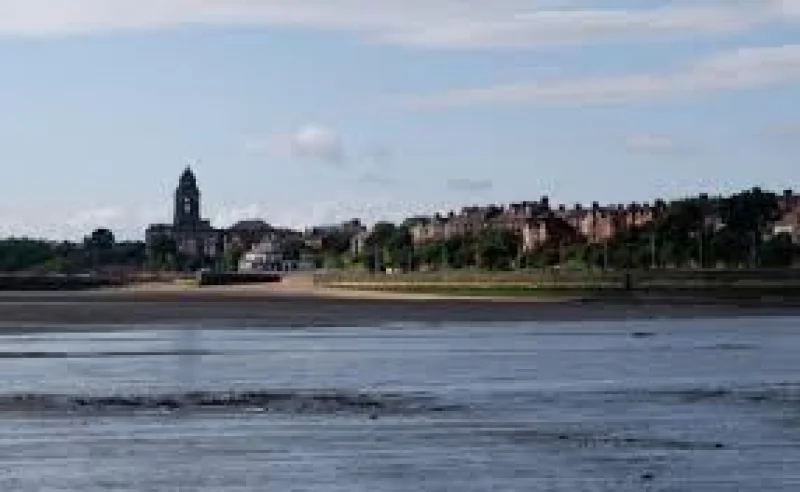
Bootle in Merseyside recorded the fastest house price growth among the seaside locations analysed by Right Move, with average asking prices rising 11 per cent over the past year to £141,680. It put the town at the sharp end of a coastal market that is still attracting buyers, even as the national picture is softer.
That contrast is why the analysis is drawing attention now. In May, the average asking price for a property coming to market in Britain was £378,304, yet average asking prices across the country were still 0.3 per cent lower than a year earlier. For buyers searching coastal markets, the gap matters because some seaside areas are climbing fast while much of the wider market is not.
Bootle was not the only Merseyside town to move quickly. Crosby recorded a 9 per cent annual rise, taking its average house price to £330,900, while Llantwit Major in South Glamorgan and Penarth near Cardiff each posted 8 per cent growth. Llanelli in Carmarthenshire saw a 7 per cent increase. Together, they show that the fastest-moving coastal markets are spread across both sides of the border, with Merseyside and Wales standing out in the latest rankings.
Penarth was the most expensive of the top 10 fastest-growing seaside areas, with an average price of £433,081, and it was the only one above the national average. Sandbanks in Poole remained Britain’s most expensive seaside location at £1.12 million. That leaves buyers with a wide spread of options, from places where prices are still relatively accessible to one stretch of coast that sits in a different league altogether.
Colleen Babcock said the fastest-growing seaside markets show coastal demand remains resilient even though overall UK price growth is more modest. She said buyers still have a wider range of coastal options depending on budget, and added that realistically priced homes continue to draw interest where demand is supporting growth. The point is not that every seaside area is expensive; it is that some are moving quickly while most remain below the national figure.
Right Move said it analysed roughly 100 seaside areas that had at least 20 new homes listed, and about 80 per cent of them still had average asking prices below the national figure. That is the friction running through the market: double-digit growth in some coastal towns, but a country where seaside living is still cheaper than many buyers might expect. What is not clear from the analysis is how much of that rise is being driven by demand and how much by limited supply, and that is the question that will shape whether Bootle’s surge is a one-off or a sign of a wider coastal squeeze.
