


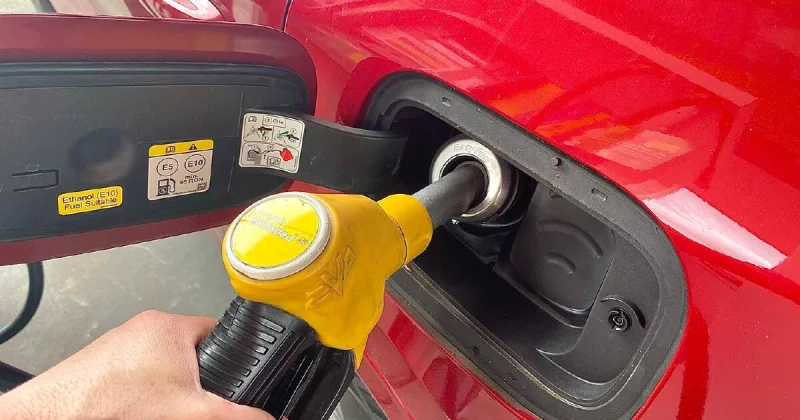
Australian drivers are set for another lift in fuel prices on July 1, when the temporary cut to the fuel excise ends and the tax is put back in place. Prime Minister Anthony Albanese said the government moved to protect household budgets, but the reprieve that trimmed prices by 26.3 cents a litre is now running out.
The timing is why motorists are watching the fuel market now. On March 30, the government halved the excise on petrol and diesel for April, May and June, and the change quickly showed up at the bowser. In New South Wales, 98 RON premium unleaded was averaging 270 cents a litre on March 30, while diesel was hovering at 320 cents. Both are cheaper now, at about 210 cents for 98 RON and 225 cents for diesel, but that gap narrows fast if the excise is restored on July 1.
If the tax returned today, 98 RON could be close to 240 cents a litre and diesel about 260 cents. That would put a sharper squeeze on families and freight operators just as the relief expires. Albanese said the government was taking every practical measure required to shield the country and household budgets from the worst of global uncertainty.
He also pointed to extra supply the government has lined up, including 100 million litres of diesel secured in April and 100 million litres of jet fuel from China in May. On May 25, the government said Australia had 43 days of petrol left. But the numbers show how limited those cargoes are against daily demand: Australia uses about 90 million litres of diesel a day, 43 million litres of petrol a day and 28 million litres of jet fuel a day, so the shipments amount to only a sliver of what the country burns through.
The fuel excise relief was introduced for three months to ease price pressure after the war in Iran and the blockage of the Strait of Hormuz pushed up costs and delayed some oil deliveries to Singapore and Malaysia. Australia has also used strategic reserve powers to secure fuel directly from refining countries. That emergency response helped buy time, but it did not solve the underlying supply squeeze.
The key question now is not whether prices move, but by how much once the excise returns. If supply conditions stay tight and the tax is restored as planned, motorists should expect petrol and diesel to climb again almost immediately after July 1.
