


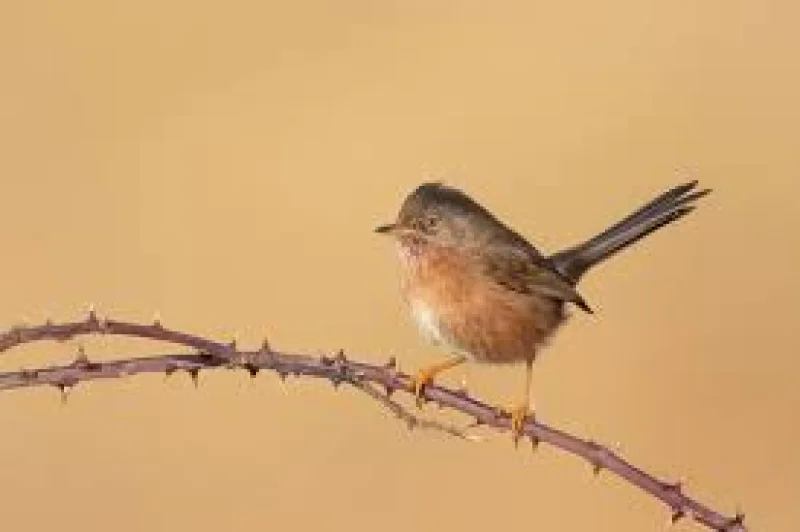
Dartford warblers have reached their highest-ever numbers on RSPB nature reserves, with conservationists counting 264 pairs across 14 sites in southern England in 2025. The biggest concentration was at RSPB Arne in Dorset, where 97 pairs were recorded, a new site record.
The tally matters because this is not just a local bounce in one patch of scrub. The wider UK-wide Heathland Birds Survey estimated around 4,100 territories this year, up from 3,200 in the last full survey in 2006, showing that a species once reduced to a handful of pairs in Dorset after severe winter weather in the early 1960s has continued to claw back ground.
For Peter Robertson, the change was something he could hear as much as count. He said staff and volunteers had helped connect and enlarge fragmented patches of precious heathland so wildlife such as the distinctive Dartford warbler could thrive, and that hearing the birds singing across the reserve during summer was the clearest sign the work was paying off.
That recovery has come with a lot of practical intervention. Staff and volunteers have been removing conifer plantations, restoring open heath and reconnecting broken-up areas of habitat, while dense gorse has remained especially important because it gives the birds nesting cover, shelter and feeding opportunities. More than 1,200 volunteers helped gather data for the 2025 survey, which was organised by the RSPB, the British Trust for Ornithology and Natural England.
But the record count sits alongside a more awkward reality. Lowland heathland is still one of Britain’s rarest and most threatened habitats, and around 80% has been lost since the 1800s to forestry planting, farming and development. The species may be doing well on carefully managed reserves, yet that success depends on habitat that remains scarce and fragmented across much of the country.
Arne shows both sides of the story. The reserve’s 97 pairs are the strongest sign yet that restoration is working there, and another 15 hectares of farmland are now being converted back into heathland. What remains unclear is how much of the 2025 rise comes from these reserve-level efforts and how much reflects the broader recovery of the national population, which continues to expand but still rests on habitat that can disappear quickly if management stops.
