


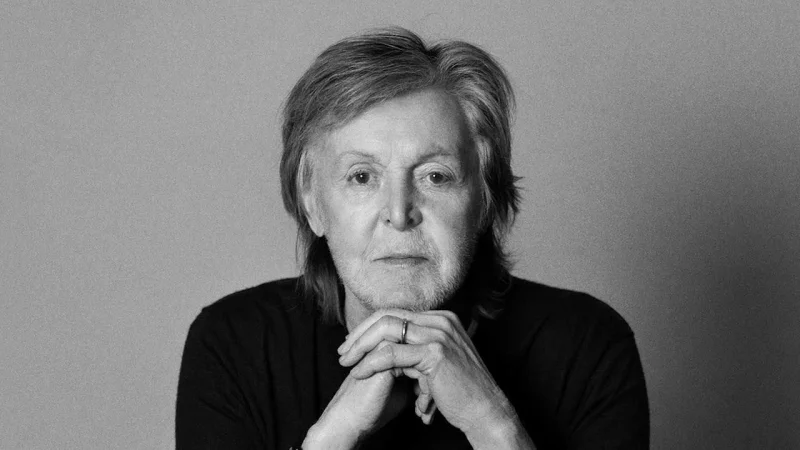
Paul McCartney has released The Boys of Dungeon Lane, his 27th studio album, and the title reaches straight back to the Liverpool suburb where he spent his early childhood. The first single, Days We Left Behind, was premiered on Radio Merseyside before the album arrived.
That is the frame for a record that is threaded with memory but does not turn itself into a concept album. McCartney, 83, has spent the last few years revisiting pieces of his past, and this one fits that pattern without becoming a museum piece.
The album’s title nods to the road in suburban Liverpool that helped shape his earliest years. It also arrives after a run of projects in which McCartney has looked back over familiar ground, including reworking Let It Be footage and releasing a documentary about Wings. The new album was produced by Andrew Watt, giving the record a contemporary hand even as its material keeps circling older themes.
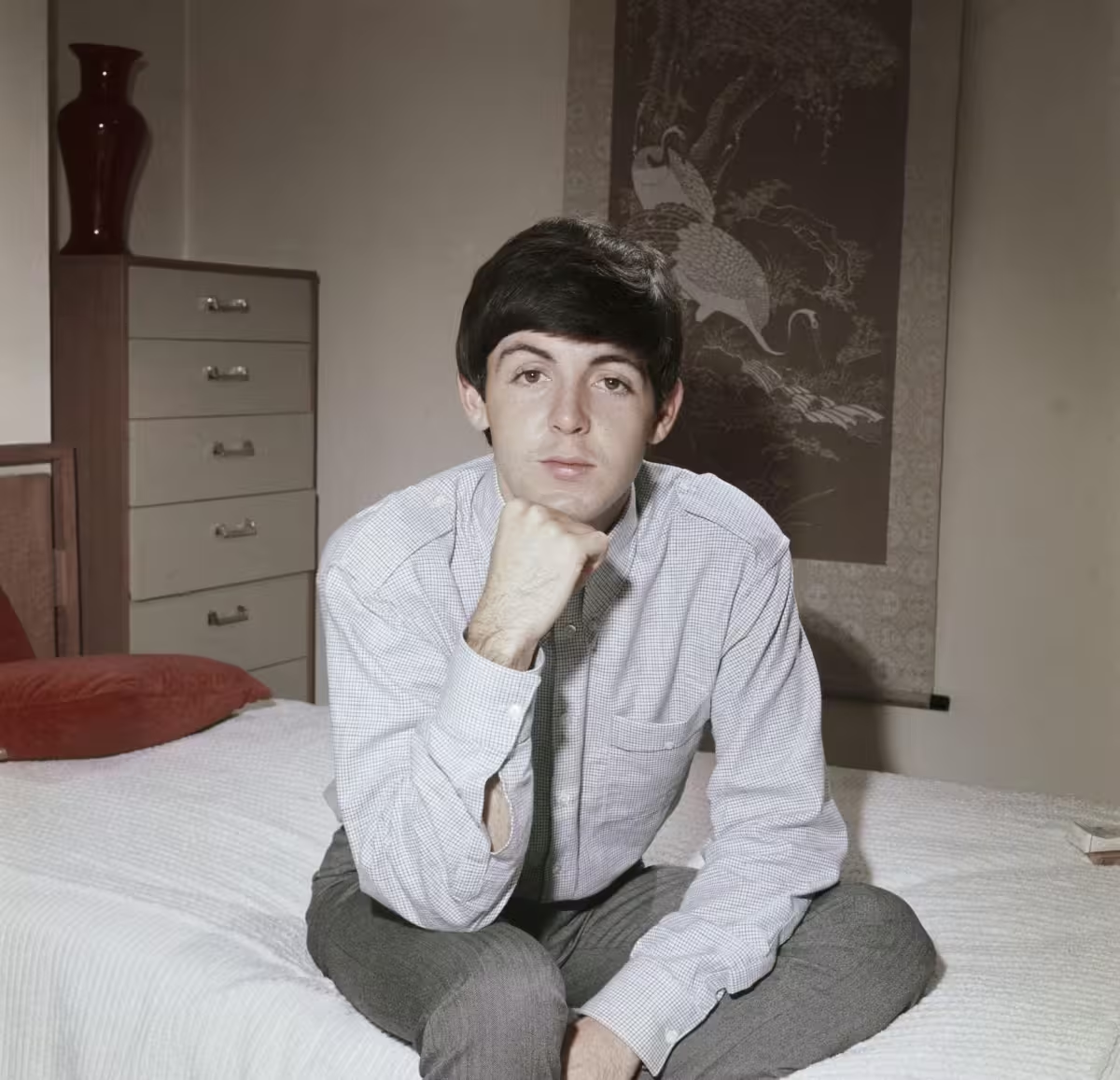
Several songs make that tug between past and present explicit. Mountain Top is about a girl tripping on mushrooms at Glastonbury, while Momma Gets By revisits the world of Lady Madonna in a less upbeat mode. Life Can Be Hard is described as an example of McCartney’s “granny music,” the phrase John Lennon once used to dismiss his softer side. In one lyric, McCartney offers the line: “Pumpkin pies in the skies also try to hypnotise.”
Other tracks lean lighter still. Ripples in a Pond, Come Inside and We Two are described as lyrically slender love songs, the kind that suggest mood more than story. They sit alongside the broader nostalgic pull of the record, yet the review says the album is not built as a single thematic arc.
That distinction matters because McCartney’s recent work has often been read through the lens of reflection, and the comparison now is not just to his own past but to later-period albums by Bob Dylan and Bruce Springsteen. Those records have tended to turn age, memory and the old songs of a life into part of the project itself. The Boys of Dungeon Lane brushes against that territory, but it does not lock itself inside it.
The result is an album that acknowledges where McCartney has been without pretending he has stopped moving. The title reaches back to the street of his childhood, the songs keep touching old obsessions, and the first single has already started the conversation. What the album leaves no doubt about is this: at 83, McCartney is still using the past as material, not as an ending.
