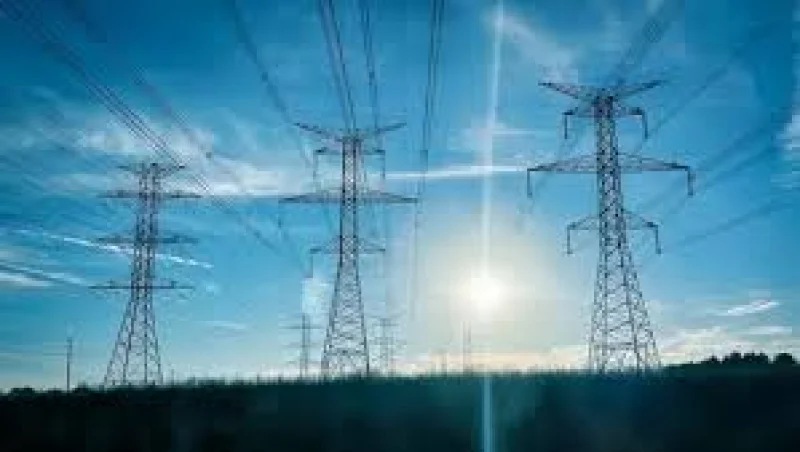
Idaho Power and Oregon Trail Electric Cooperative have asked Oregon regulators to approve a $154 million deal that would transfer ownership of Idaho Power’s Oregon distribution system to the cooperative. If the Oregon Public Utility Commission signs off, about 20,000 customers in Malheur, Harney, Baker and Wallowa counties would become member-owners of Oregon Trail, with the transaction expected to close in early 2027.
The deal would pull Idaho Power out of Oregon’s retail electricity market while leaving the utility in control of its generation and transmission assets in the state, including the Boardman to Hemingway transmission line. Oregon Trail, based in Baker City, would add four Oregon counties to its current service area in Baker, Union, Grant and Harney counties and buy wholesale power from Idaho Power under a multi-year supply agreement.
The filing lands as Idaho Power faces rising capital investments and inflation that have pushed up service costs in its Oregon territory. Idaho Power has not raised base rates in that territory since 2024, but said it would likely have to seek at least a 17% increase if the sale does not go through. Under the proposed transfer, former Idaho Power customers would see a smaller adjustment of about 5.7% above current rates.
For households in eastern Oregon, service would continue through the transition, but the change would alter who owns the wires and who votes on what happens next. As cooperative members, former Idaho Power customers would gain a vote in board elections and could receive capital credits returned to the membership, turning electricity customers into part-owners of the system that serves them.
The Oregon Public Utility Commission still has to approve the agreement before any of that can happen. What is now a regulatory filing is, in practical terms, a decision about whether eastern Oregon customers move into a cooperative model or remain tied to a utility that says the alternative could mean much steeper bills.