


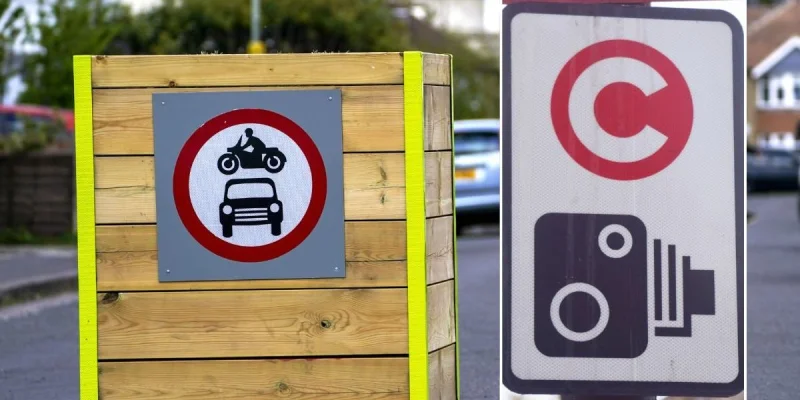
Oxfordshire County Council has cancelled 13 penalty notices because the vehicle owners were dead, adding another revealing line to the tally of penalties linked to Oxford’s traffic schemes. The cancellations were identified by the Local Democracy Reporting Service through a freedom of information request.
The figures land in a system that has already issued about 257,000 fines since the city’s traffic restrictions were introduced, with close to 14,000 later scrapped by the council. Among the most unusual were two notices cancelled because the owner was in prison, one tied to a diplomatic vehicle, and four more dropped because the driver was a doctor on call.
Oxford’s congestion charge alone had generated 205,691 fines by 30 April, while the low traffic neighbourhood schemes produced 51,209 fines after ANPR cameras went live in May 2024. On 7 January, the council said it had issued 31,588 congestion charge fines, a figure that has grown by 175,000 in the four and a half months to 30 April.
The scale of cancellations shows how often the enforcement net catches vehicles that should not be paying at all. Ambulances had 36 fines revoked, the police 16 and the fire service two, while more than 1,000 taxi fines were cancelled and more than 4,000 notices were scrapped for vehicles without a registered keeper. Disabled drivers, people with medical reasons, untraceable owners and foreign vehicle owners were also among those granted cancellations.
More than 5,000 penalty charge notices were voided for permit errors and for motorists who had paid for entry. Thames Street, the busiest of the six congestion charge charging points, accounted for 81,493 fines and more than 5,000 cancellations, about six per cent of its total. The council has said an estimated £5.2 million surplus from the congestion charge will help pay for hospital express bus services from the park and rides.
What the figures show is not just that Oxford’s traffic regime is producing fines on a huge scale, but that a meaningful share of them are being abandoned after review. The next test is whether the council can keep the schemes working without asking drivers, emergency services and exempt users to spend weeks undoing penalties that should never have been issued in the first place.
