


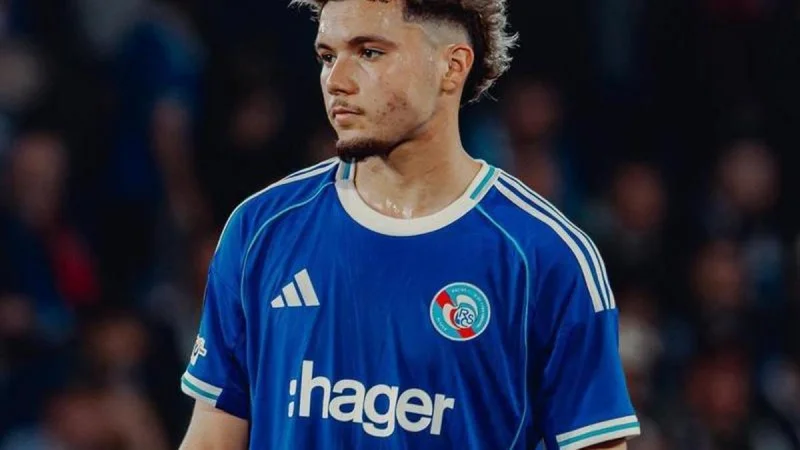
Morocco is heading into the 2026 World Cup with a squad that looks built for the next cycle as much as the present one, and Chadi Riad is among the names symbolizing that shift. After the historic run in Qatar 2022, the Atlas Lions are turning a page with several established figures still central and a new wave of youngsters forcing their way into the picture.
Achraf Hakimi, Sofyan Amrabat, Azzedine Ounahi, Abde Ezzalzouli, Bono, Aguerd and Brahim entered the conversation as untouchables for Morocco, but the list for 2026 also leaves out Youssef En-Nesyri, Hakim Ziyeck, Eliesse Ben Seghir, Ilias Akhomach and Soufian Boufal. That mix of continuity and change is what gives this squad its shape today: Morocco is not simply repeating Qatar, it is trying to extend the momentum with a different generation arriving at speed.
Samir El Mourabet is one of the clearest examples. The 20-year-old has played only two matches for Morocco’s senior team, but this season he has appeared in 48 games, scored 2 goals and provided 3 assists. His value has jumped from 50,000 euros at the start of the season to 18 million euros according to Transfermarkt, a rise that says as much about the market as it does about the player’s rapid emergence.
Ayyoub Bouaddi brings a different kind of intrigue. At 18, he was eligible for France, came through French youth levels and was not called by Didier Deschamps, but he is now set to play for Morocco at a World Cup for the first time. He has made 42 appearances this season and delivered one assist, and Transfermarkt values him at 50 million euros. For Morocco, that is not just a promising profile. It is a reminder that the team can still pull elite talent from more than one pathway.
Then there is Gessime Yassine, who completed one of the most striking rises to Europe’s top tier, having left Marignane’s under-19 side in 2024. Those kinds of trajectories are exactly why Morocco’s World Cup build-up matters now, not later. The team that stunned Qatar in 2022 is no longer the same group, and the next challenge is to make sure the transition does not dilute the ambition.
The tension for Morocco is obvious. The old guard still gives the side its backbone, but the World Cup also demands that the new names arrive ready, not merely available. If the blend works, Morocco will go to 2026 with more than a memory of Qatar. It will have a squad that looks capable of carrying that legacy forward.
