


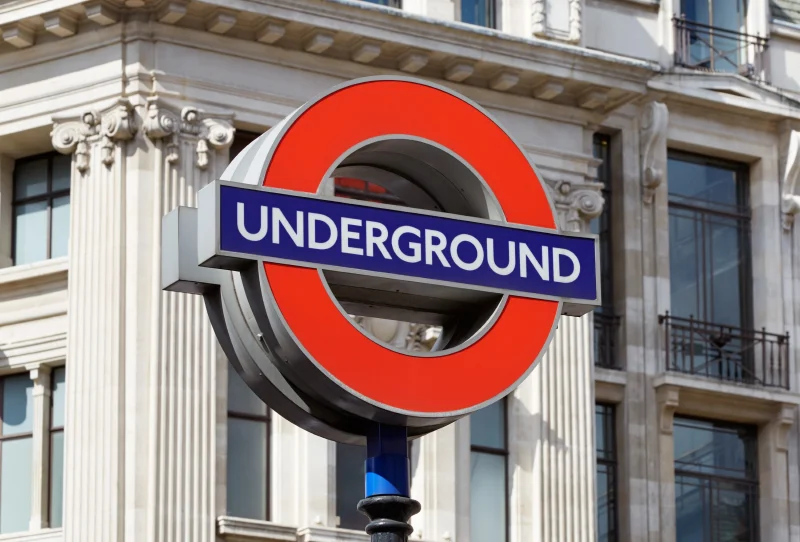
Millions of commuters, international tourists and retail workers face severe travel disruption across London from early Saturday, May 23, 2026, as tube strikes june 2026 begin during the May Bank Holiday weekend. The Piccadilly and District lines are set for complete shutdowns, and the city is bracing for what transport officials and unions alike describe as one of the worst weekends for the network in years.
The action comes through coordinated industrial action by the RMT union, whose members have scheduled two 24-hour walkouts spread across four days. That timing raises the threat of total paralysis on key parts of the Tube at the very moment London is expected to be pulling in holiday visitors and spending from shoppers and tourists.
The scale of the disruption is what makes this fight land so hard. The source describes unprecedented logistical nightmares for London transport, with millions of journeys thrown into doubt and the city’s retail and hospitality trade facing immediate strain. For a capital that depends heavily on holiday traffic, the timing is economically disastrous.
The strike is part of an escalating dispute between Transport for London and drivers belonging to the RMT union over TfL’s plans to introduce a mandatory four-day working week structure. The union says its members are being pushed into industrial action by those changes, and it has warned that if its demands are ignored, the dispute could stretch into an extended summer of discontent.
That threat matters because this is no longer just about a single weekend timetable collapse. With two separate 24-hour walkouts set across four days, the union has chosen a pressure point that hits not only daily commuters but also the tourism economy London is trying to protect. The question now is whether TfL and the RMT can find a way back from a shutdown that is set to make one of the city’s busiest holiday periods far harder to move through than to enjoy.
