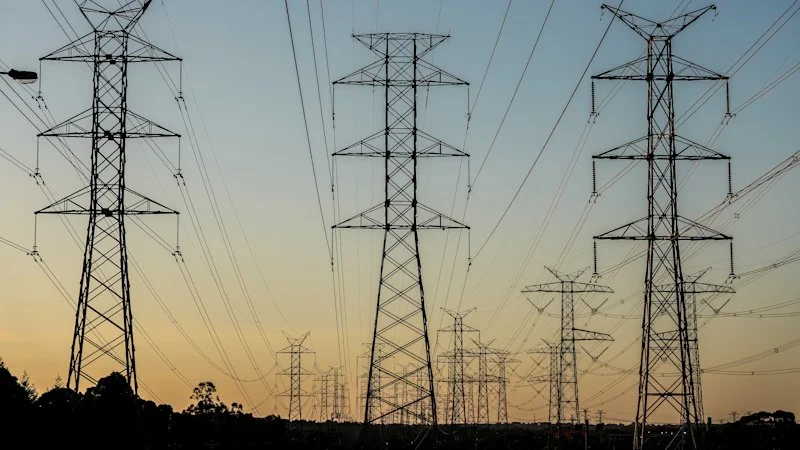
More than half a million Victorian households will see their electricity prices fall next financial year, after the Essential Services Commission cut its default offer by an average of 5 per cent for homes and 6 per cent for small businesses.
The change will save an average household $84 and deliver average savings of $241 for small business owners, with about 512,000 households and 62,000 small businesses on the state’s default power pricing offer. Another 182,000 customers living in apartments and caravan parks, who cannot choose their energy supplier, are also covered by the plan. Gerard Brody said the lower bills would be welcome news for Victorian households and business owners who continue to face cost-of-living pressures.
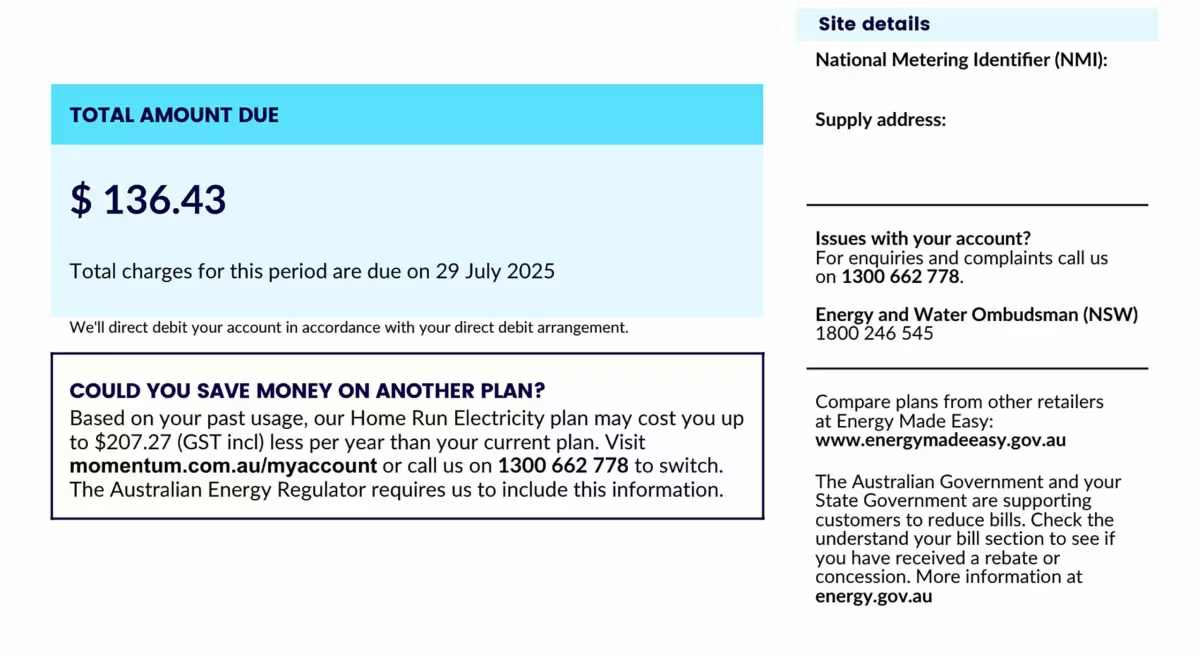
The default offer is the basic energy plan for people who do not want to engage with energy retailers, and it is also used by customers who cannot pick a supplier. Savings will not be identical across the state. AusNet customers in eastern Victoria will see reductions of $160 next financial year, while customers receiving electricity from Citipower and Powercor in the west will save between $65 and $70.
The commission said the lower default offer reflects cheaper environmental, network and wholesale electricity costs in the next financial year. It also said global fuel supply disruptions, including those caused by the Iran war, had mixed but generally mild impacts on the cost of future electricity contracts. In March, the commission’s draft paper had initially forecast a domestic bill drop of just $46 a year, a sign of how quickly the outlook improved before the final decision.
The Victorian move stands out because it contrasts with projected cost increases in other eastern states, even as the Australian Energy Regulator said in March that residential prices would fall between 1.3 per cent and 10.1 per cent depending on the region for 2026-27. The final decision on that national default offer was due to be published on Tuesday. The Australian Energy Council has argued that network costs continue to rise and still account for the lion’s share of electricity expenses, leaving pressure on the system even when wholesale prices ease. For Victorian households, though, the immediate effect is simpler: lower electricity pricing and a little more room in the weekly budget.