


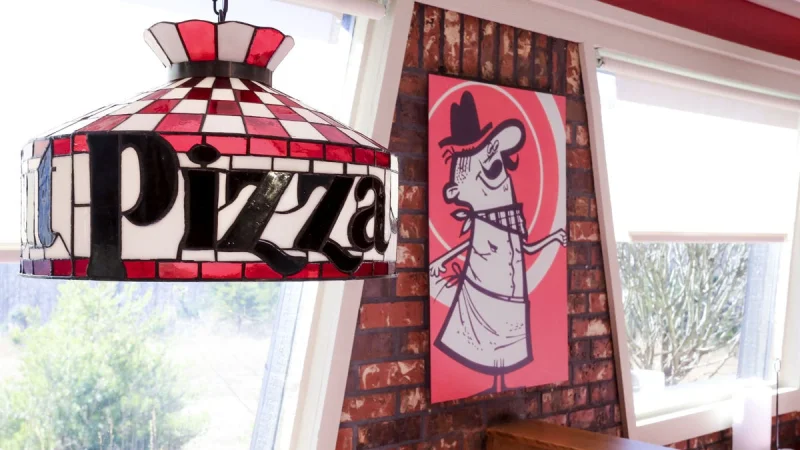
Pizza Hut is bringing back the look of its old dining rooms at more locations, with Daland Corporation turning some restaurants into Pizza Hut Classic sites that feature vinyl booths, Tiffany-style lamps, arcade games and the chain’s red roof. The Kansas-based management company now oversees 94 Pizza Hut restaurants in New York and other states, and it has already converted more than 30 of them over the past six years.
The restoration push has drawn attention online and from media outlets, helped by the kind of details many customers thought had disappeared for good: red cups, checkered tablecloths, salad bars and the familiar retro lighting. One recent wave of interest followed a December 2024 post from TikToker @Nateodd, who visited a classic Pizza Hut in Salem, Ohio, and shared video of the booths and cups that recalled the chain’s earlier era.
Tim Sparks, who discussed the redesigns in an email to on May 22, said the work costs between $90,000 and $95,000 per location. Daland also plans to convert 12 more restaurants over the next four years, extending a project that has already produced 38 Pizza Hut Classic locations. That pace matters because the company is not simply repainting walls or swapping menus; it is rebuilding a specific version of the brand that many customers remember from childhood.
The restorations depend on a stubborn kind of scavenging. Sparks said the Tiffany-style lampshades have been difficult to find, and that the company uses Amazon to locate table arrangers and battery operated candles. He also said that Pizza Hut once had a vendor making the lamp shades, but the minimum order was 500 units and the relationship ended. “I was not involved in that process as I would have bought 500!” he said.
That tension between nostalgia and modern logistics is what has made the revival notable. Pizza Hut’s parent company, Yum Brands, says there are many more classic locations across the country, suggesting the Daland project is part of a broader return to older design cues rather than a one-off marketing stunt. contacted Pizza Hut on May 21 about whether the brand is redesigning any non-franchised restaurants, and the response from Daland showed the chain’s throwback appeal is already helping define its in-store future.
The larger question is not whether the retro look can be recreated. Daland has already shown it can. The real answer is that Pizza Hut Classic is now a working business model, one that blends nostalgia with a costly, carefully sourced rebuild and appears set to keep spreading at least through the next four years.
