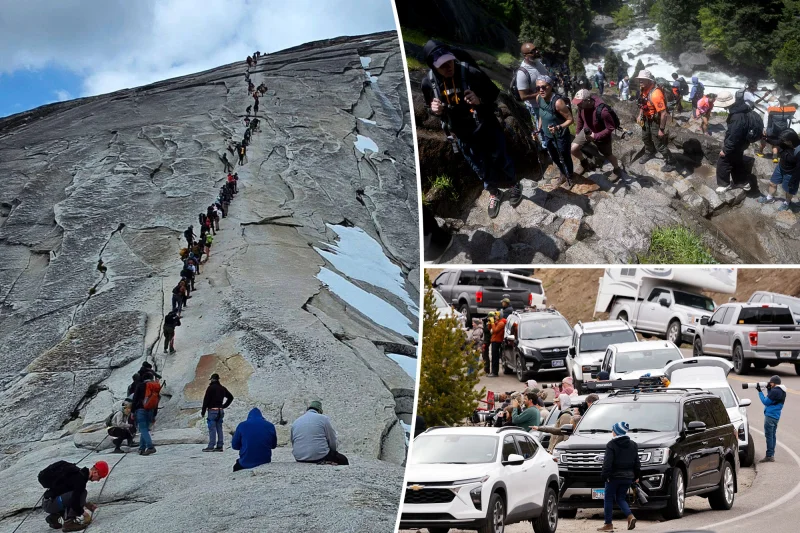
Yosemite National Park will not use a timed reservation system in 2026, ending a season-wide requirement after officials said a review of traffic patterns, parking availability and visitor use showed it was not the best way to manage the park this coming season. The change matters now because Yosemite is heading into its busiest stretch of the year, and visitors are already being told to plan early for weekends and holidays.
The park was the 13th-most visited national park last year, drawing almost 4.3 million people, with nearly 75% of those visits coming from May through October. That surge has long made Yosemite one of the most crowded places in the national park system, and the new approach is meant to keep cars moving without turning the whole season into a reservation game.
Ray McPadden, the park superintendent, said Yosemite remains focused on access and protection. “We are committed to visitor access, safety, and resource protection, and will continue active traffic management strategies to ensure a great visitor experience,” he said. McPadden added that a season-wide reservation rule is not the best fit for the coming year and said targeted management will give the park more room to respond to busy days while keeping open access when conditions allow. The park is now using real-time traffic monitoring to spot congestion and react quickly when it builds.
Yosemite is one of nearly 400 recreation national parks, but the scale of demand there is unusual even by national-park standards. The park’s busiest months run from May through October, and officials are steering visitors toward areas outside Yosemite Valley, including Tuolumne Meadows, Wawona and Hetch Hetchy, as part of the effort to spread out traffic.
On Friday, May 22, 2026, visitors at the park were already weighing what the change might mean. Michael Tyler said he and his family had no trouble finding parking on their trip and described the place as “the most beautiful place on Earth.” But he also said he could not imagine what Yosemite would be like in the summer and expected that in a couple of weeks it would be “a whole other story.” His family member Andrew Tyler was blunter. The park, he said, was “fantastic” and “unimaginable until you get to see it,” but he added that summer crowds would likely mean it gets “mobbed.”
Lauren Koncz, another visitor, said the lack of a reservation system could be “a little rough.” She said parks without timed entry often leave people “driving around looking for a place to” park, a complaint that points to the tension behind Yosemite’s decision: the park is betting that flexible, targeted traffic control can handle peak days, but some visitors still expect crowding and parking problems to return quickly once the season hits full stride.
For Yosemite, the next test is not whether the park can open its gates. It is whether the new system can hold up once the summer crush arrives and the busiest months start pressing against the park’s roads, parking lots and most famous viewpoints.