


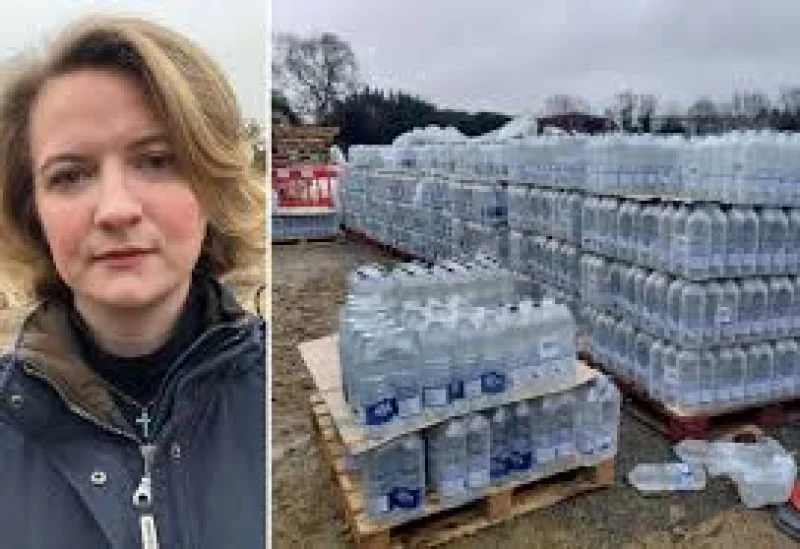
Kent councillors have called for an overhaul of emergency planning after an inquiry into South East Water supply failures that left tens of thousands of customers short of water and pushed schools, care settings and businesses into crisis mode. The report makes eight recommendations aimed at improving how the company prepares for wider, longer outages.
About 24,000 properties in and around Tunbridge Wells lost water or had low pressure for a week in November and December. For the next nine days after supplies were restored, residents were told to boil tap water before drinking it. Just weeks later, as many as 30,000 properties across Kent and Sussex were hit with more problems, deepening the disruption and extending the damage into the run-up to Christmas.
The county council said the fallout went far beyond households. It found that hospitality, retail and other water-dependent sectors were especially affected, and that the pre-Christmas timing made the financial losses worse. The farming sector, it said, was disproportionately exposed because of very high daily water requirements, animal welfare concerns and the difficulty of reaching rural sites quickly when supplies fail.
The report concluded that South East Water’s emergency provisions were not built for livestock or agricultural operations and that bottled water arrangements were “wholly unsuitable” for farming. It said stations were “poorly sited” and difficult to access in rural areas, while bottled water distribution models did not scale well when whole communities lost supply for several days. Schools and care settings were also closed because it was not clear when safe water would be available again.
Councillors said the company’s communication with residents and public bodies was “overly optimistic and not aligned with operational reality”. They said notifications failed to reach key responders, forcing the council to step in and alert other agencies. The report also urged water companies to identify high-water-use businesses in advance so they can be prioritised during shortages and to plan realistic alternatives to bottled water.
South East Water said it was updating emergency procedures, improving customer experience and working with local authorities across Kent to bolster alternative water provision. Douglas Whitfield apologised to customers and said a works programme to “reduce the risk of network outages” was under way.
The inquiry lands after months of pressure on the company over the supply problems. David Hinton resigned on Friday as chief executive, seven days after chairman Chris Train quit in the wake of a damning select committee report. The council’s findings now add a local political judgment to an already deepening crisis: the old response model, built for short domestic outages, did not cope when whole towns and rural communities were left without reliable water.
