


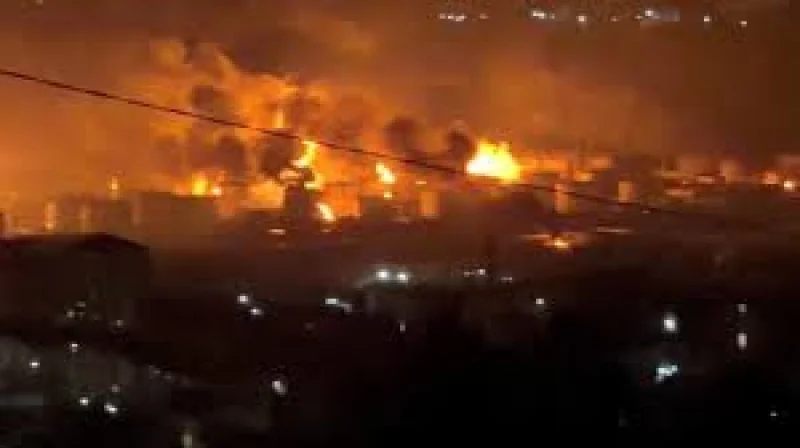
Russia is facing a growing shortage of AI-95 gasoline as refinery output falls, emergency repairs drag on and seasonal demand rises. The unmet demand has already topped 26,000 tons, while oil companies are shifting capacity toward AI-92, a fuel Moscow treats as socially significant.
Exchange prices keep climbing even after the Russian Ministry of Energy said the market was stable. AI-95 is already nearing 72,000 rubles per ton, and its over-the-counter price is about 10% higher, a spread that suggests the shortage is moving beyond the exchanges and into the wider market.
The squeeze is getting worse because major Russian oil refineries are shutting down en masse for repairs for at least a month. That makes it impossible to build stocks before the summer season, when demand usually rises further and the risk of a large-scale gasoline shortage grows.
The Foreign Intelligence Service of Ukraine reported the shortage, tying it to lower refining volumes, emergency repairs and the seasonal increase in demand. The service said companies are directing production toward AI-92 because it is considered socially significant, even as higher-grade fuel becomes harder to find.
The problem is already visible in regional prices. In Tatarstan, AI-92 gasoline rose 16.8% over the past year and AI-95 climbed 15%, underscoring how the pressure on fuel costs has spread well beyond the wholesale market.
The fuel strain is unfolding against a separate security backdrop that has unsettled Russia this month. On the morning of May 16, Moscow came under attack by drones, and airports in the capital temporarily suspended operations. The ATESH partisan movement also claimed responsibility for a sabotage operation in the Moscow region that disrupted elements of the Russian air defense system on the outskirts of the city.
For now, the headline numbers point to a market that is already tight and getting tighter. With repairs still under way and demand climbing into summer, the key question is whether Russia can keep enough AI-95 on station before the shortage spreads further.
