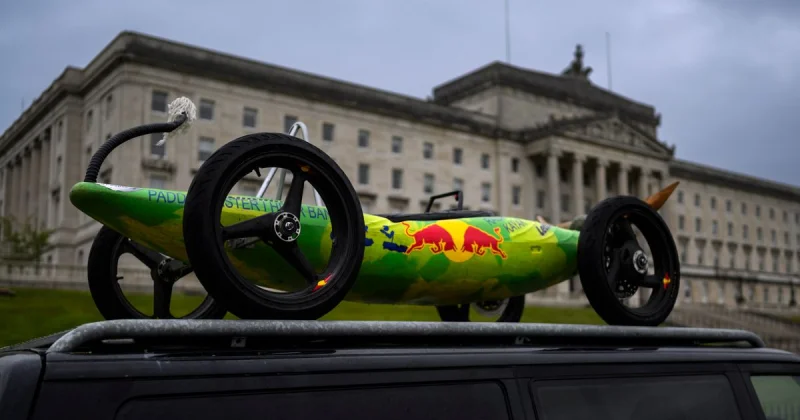
The Red Bull Soapbox Race returned to Belfast on May 17, bringing homemade, non-motorised chaos back to the city for the first time since 2008. Forty teams, selected from more than 300 applications, were set to send their creations down a downhill course at Stormont.
The lineup included engineers, students and creatives who spent weeks turning imaginative concepts into fully functioning race machines before race day. On Saturday, teams dropped their Soapbox creations up to East Belfast ahead of the event, building toward a Sunday crowd expected to fill the area around Stormont for crashes, close finishes and the kind of spectacle that has kept the race alive wherever it lands.
The return mattered because Belfast had not hosted the race in almost 18 years, since the last event drew 30,000 spectators and was won by Ruddell Metals from Hillsborough. That earlier turnout set a high mark for the city's appetite for the contest, and organizers were clearly aiming for a similar scale of noise and attendance as the event came back into view.
What separates Soapbox racing from a standard motor sport is the mix of judgment and uncertainty. Teams are scored on creativity, performance and speed, but the machines are homemade and unpowered, which means design ideas can fall apart fast once gravity takes over. The event is also built for spectacle, with live entertainment, food vendors and large viewing screens alongside the inevitable crashes and awkward landings.
That is why Sunday's race at Stormont was expected to matter more than a novelty return. It was a test of whether Belfast would embrace the event again at the same scale, and whether the teams that hauled their machines into East Belfast on Saturday could turn months of work into a run worth remembering.